


















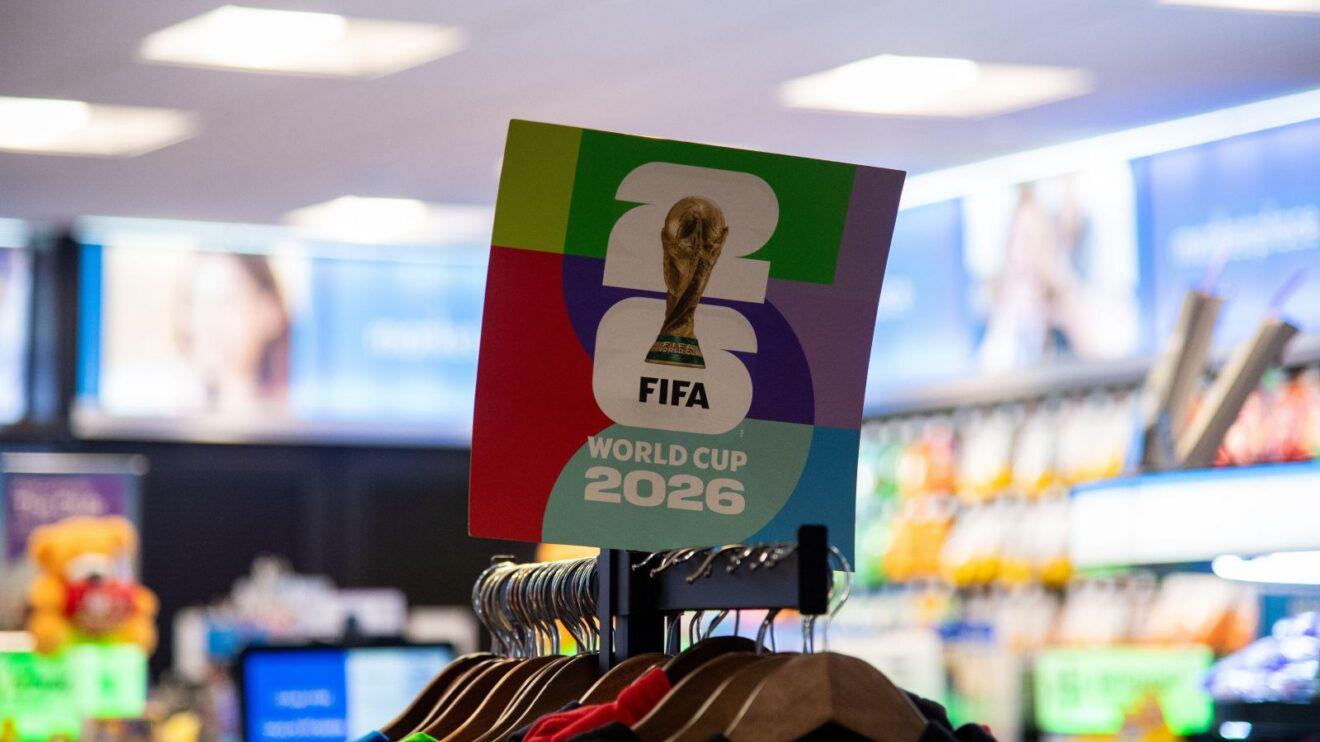
New York State Attorney General Letitia James and New Jersey State Attorney General Jennifer Davenport issued a joint statement on May 27 announcing they have served FIFA with a subpoena seeking materials related to ticket sales and seat allocation for the 2026 World Cup. The investigation covers eight matches scheduled to be held in New Jersey, including the final on July 19 in the state. FIFA declined to comment.
What's at stake: ticket transparency
The subpoenas were prompted directly by ticket-buying disputes involving some fans that media outlets had previously reported on. The two attorneys general said consumers complained that although they had paid Category 1 prices and should have received seats near the pitch, they were ultimately placed in Category 2 sections farther back. Brooklyn Law School clinical law professor Jodi Balsam noted that prosecutors are currently only seeking information and have not leveled any illegal allegations against FIFA; but the direction of the investigation is clear—whether there are facts sufficient to initiate further legal proceedings.
From an institutional perspective, World Cup tickets are not ordinary commercial consumer products. Sales are authorized uniformly by FIFA, and seat categories, ticket prices, and final seat assignments should be the core basis for consumer decision-making. Once a systematic gap emerges between the paid tier and the actual seat, the damage extends beyond individual fans' wallets to the credibility of the entire event ticketing system.
Controversy grows: the gap between dynamic pricing and bid promises
The 2026 World Cup kicks off on June 11, co-hosted by the United States, Canada, and Mexico. For the first time at a World Cup, FIFA is using dynamic pricing—ticket prices can move with real-time demand, inventory, and how hot a fixture is. Since sales opened on official channels and resale platforms, pricing has stayed in the headlines, with many fans comparing what they pay to the ranges in the three nations’ joint bid documents and saying actual prices are well above those figures.
Balsam stressed that dynamic pricing is not illegal in itself, but only when information is complete and the process is transparent. If buyers are told a category has a fixed price at checkout but later face repricing, reclassification, or a seat downgrade, that may amount to misleading commercial conduct. The New York and New Jersey attorneys general framed the issue the same way: fans were misled about where they would sit and received seats below what they paid for—a breach of trust that could carry several penalties.
The pressure is especially acute in New Jersey, which will host eight key matches including the final. The final is set for July 19, only about seven weeks after the investigation began. In that window, prosecutors must determine whether FIFA and its ticketing partners gave consumers clear enough information on sales screens, category descriptions, dynamic pricing rules, and how seats are allocated after purchase.
Institutional fallout: Legal paths FIFA may face
Interpreting the subpoena, Balsam said: “What they need to do now is decide whether there is grounds to open a case.” That means the probe is still in the fact-gathering phase, but FIFA is not off the hook. If evidence points to intentional misleading or systematic seat mismatches, the two states’ legal systems can pursue civil or administrative liability under consumer protection law; in extreme cases, further enforcement steps cannot be ruled out.
For FIFA, this is not the first time it has faced governance scrutiny in the North American market. Expanding the World Cup to 48 teams, the first three-nation co-host, and the first full rollout of dynamic pricing—each institutional innovation has amplified the complexity of ticket management. When law enforcement steps in via subpoena, the issue has escalated from “fan complaints” to a public policy question of how cross-border sports governance aligns with local consumer protection.
What to watch next: Can transparency be the answer
In the short term, FIFA must provide complete ticketing data for the eight New Jersey matches within the subpoena response deadline, including the actual allocation ratios for Category 1 and Category 2, the triggers for dynamic pricing, and records of complaint handling. Over the medium term, much will depend on whether prosecutors in the two states find grounds for violations, and whether they push for a settlement, fines, or stricter sales rules.
For fans heading to games in person, the three most practical things to watch right now are whether the official ticketing pages update category descriptions, whether purchased tickets trigger secondary adjustment notices, and whether resale prices for high-demand matches such as the final remain out of control. The drama on the pitch matters, but tickets are the first institutional gateway to the tournament—if FIFA cannot offer a clear account before the final, the off-field narrative of the 2026 World Cup may struggle to stay confined to the pitch.