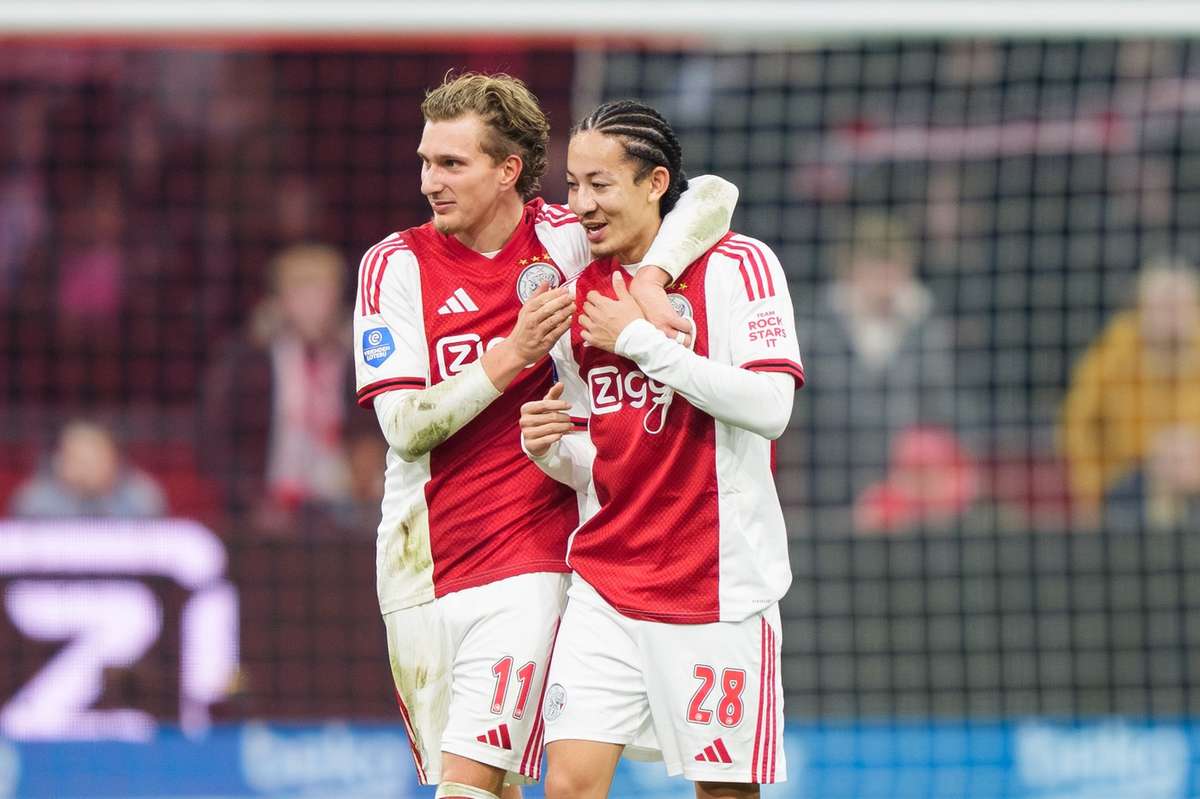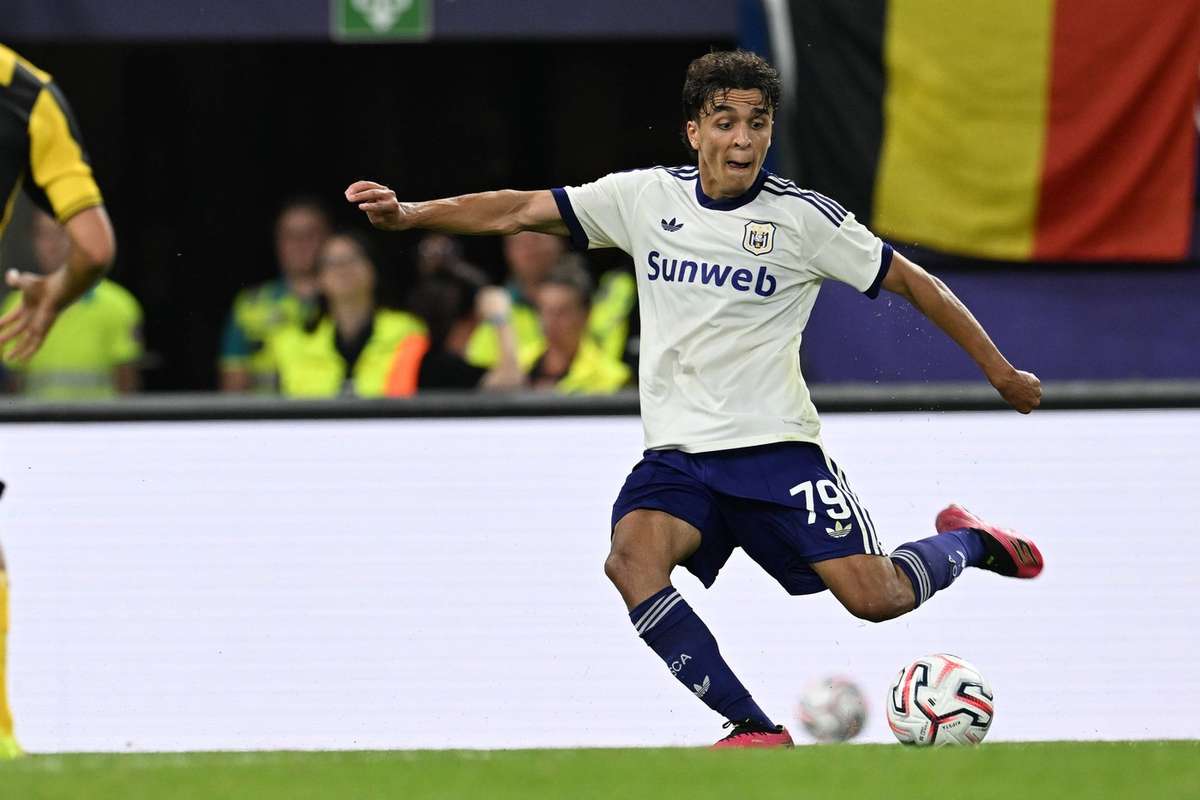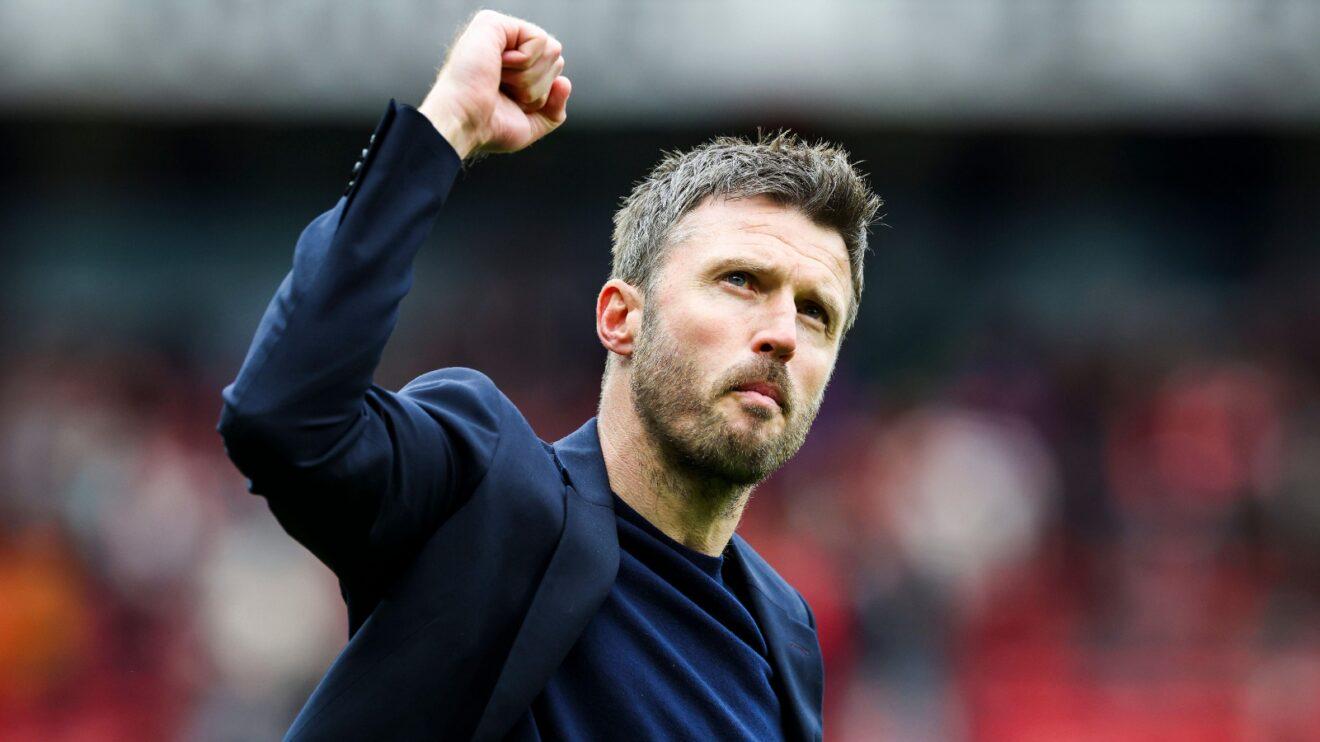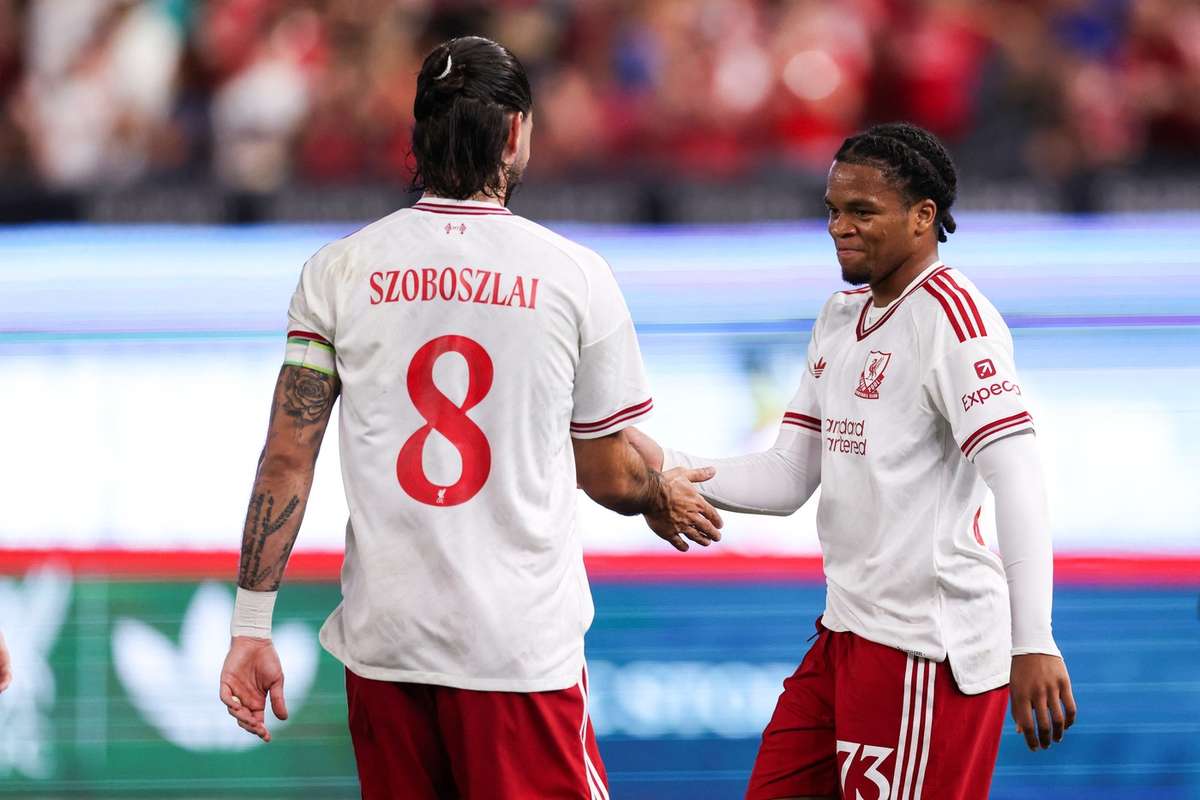














The German Football Association has officially announced its 26-man squad for the 2026 World Cup. After years of ups and downs since their triumph in 2014, the four-time champions sit 10th in the FIFA rankings with 1,730.37 points, and head coach Nagelsmann must restore the label of "established powerhouse" to Germany on North American soil.
A generational shift behind the squad
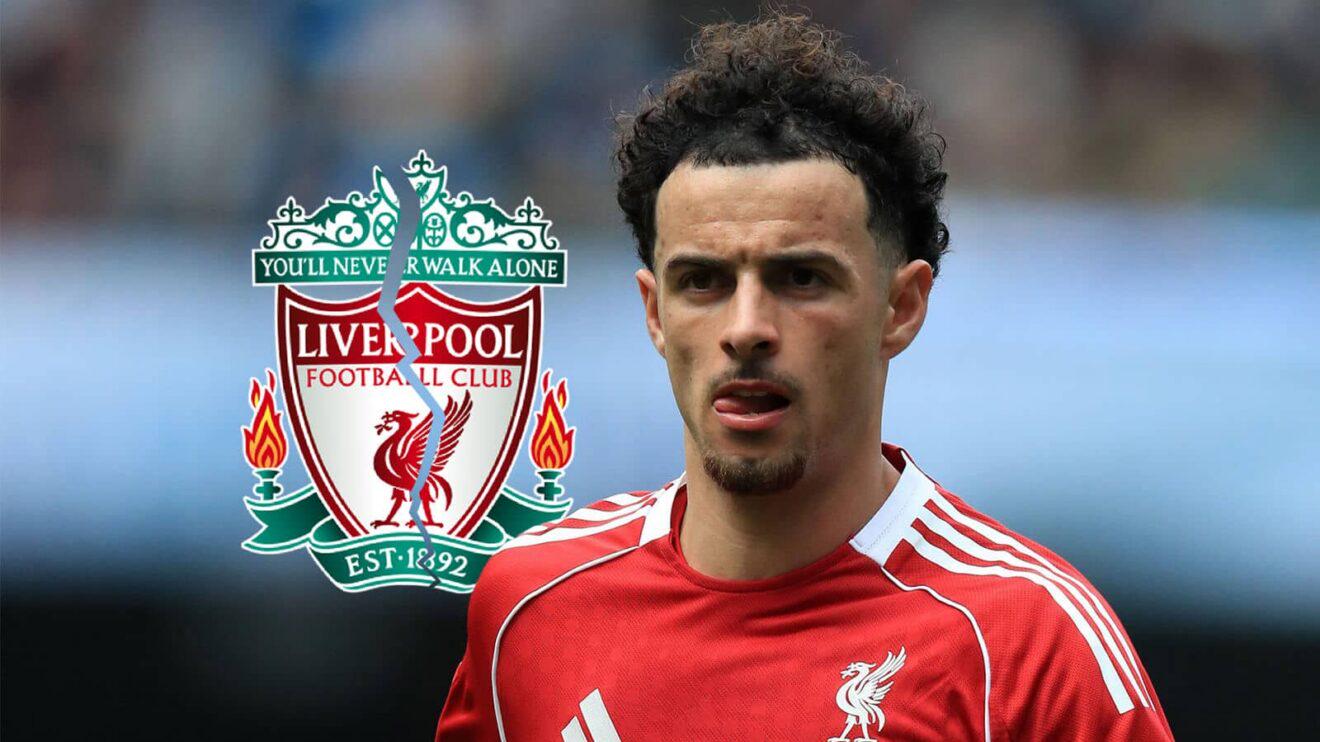
This squad blends the tournament experience of veterans with the pace and technical ability of a new generation: in goal, Hoffenheim's Baumann, Bayern's Neuer, and Stuttgart's Nübel; in defense, from Dortmund's Anton and Schlotterbeck to Real Madrid's Rüdiger and Leipzig's Raum; in midfield, captain Kimmich pulls the strings, with Frankfurt's Brown and Stuttgart's Stiller providing energy; up front, Liverpool's Wirtz, Galatasaray's Sané, and the still-rising Musiala. With club backgrounds spanning the Bundesliga, Premier League, Süper Lig, and La Liga, the dressing room must also quickly find its rhythm again as a national team.
Kimmich: captain and tactical hub
Kimmich is the one player this Germany side cannot build around. He contributes at both ends of the pitch, with season-average ratings often sitting between 7.60 and 7.90, putting him among the elite at his position. He played every minute across 90 at both Euro 2016 and Euro 2022, so big-tournament composure is already on his CV. At the World Cup, his job is not to pad the stats sheet but to lock tempo, set pieces and counter routes into the familiar German groove of high intensity and high football IQ. If Germany want to seize the initiative in the group stage, the quality of that first pass out of midfield will often rest in his hands.
Neuer: A forty-year-old’s last dance?
Neuer, at 40, will be Germany’s oldest player at this tournament, yet he remains impossible to ignore between the posts. He stood in goal at the 2010 and 2014 World Cups, witnessed the historic 7-0 against Brazil, and lifted the trophy. Still Bayern captain, his presence works like a mirror: reminding younger players what a major tournament standard looks like, and reminding everyone outside the camp that Germany’s defensive floor may still be defined by the figure who embodied the sweeper-keeper revolution. Real concerns about reaction speed with age do exist, but reading the game and commanding the box remain his core strengths at this level.
Musiala and the attack: Pace as the breaker
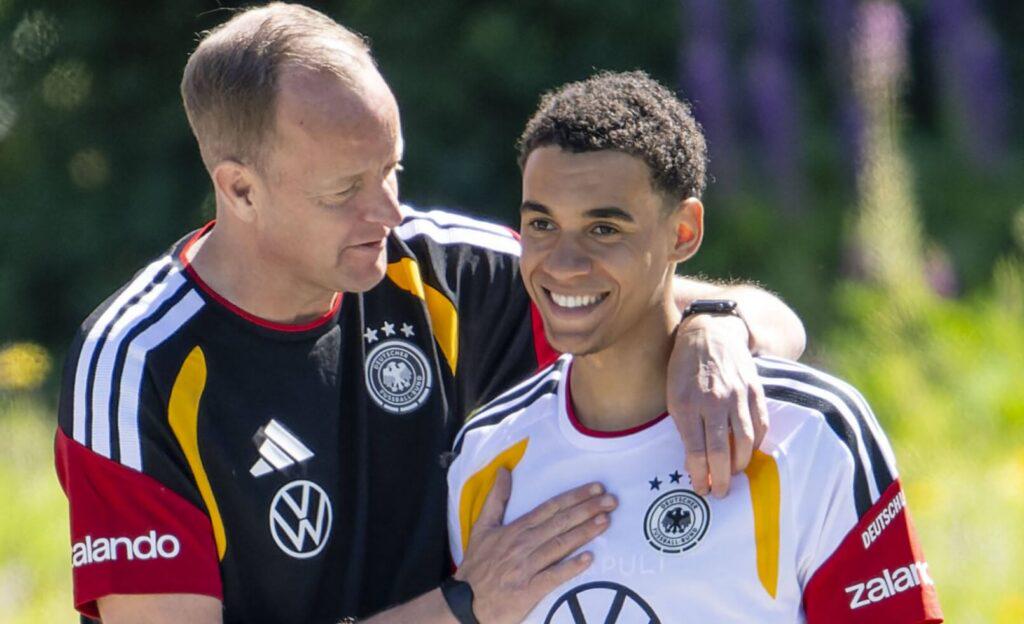
Musiala is one of the most heavily backed young pillars on the squad; his dribbling, changes of direction and decision-making in tight spaces can rip open a stalemate. Alongside him in the front line are Bayern’s Beier and Karl, Stuttgart’s Leweling and Undav, plus Arsenal’s Havertz and Newcastle’s Woltemade. The attack no longer relies on a traditional target-man centre-forward alone, but stacks multi-point thrusts, half-space penetration and threat from distance. Wirtz, after joining Liverpool, carries more playmaking responsibility at club level, while Sané keeps stretching play in the Süper Lig—whether the two can carry that club form into the national team will directly decide whether Germany have a true game-changer in the knockout rounds.
Group picture and what to watch
Per the schedule, Germany will face Curaçao and Ivory Coast in mid-June before taking on Ecuador in the final group match. All three fixtures are tune-ups before the real tests, and a draw in any of them would tighten the qualification math. Given the recent international match rhythm, Nagelsmann has two issues to solve in limited training time: how efficiently the team switches between a back three and a back four, and who holds the fixed defensive anchor when rotating up front. For fans, the five players worth watching most before the opening kickoff are Kimmich’s distribution, Neuer’s choices when coming off his line, Musiala’s one-on-one success rate, Wirtz’s key passes, and Rüdiger’s speed to cover on the counter.
Editor’s View
This is not the dominant Germany side of 2014, but a team trading experience for stability and talent for upside. Once a World Cup knockout tie goes to extra time, squad depth and set-piece execution amplify the value of veterans; to go further than the Round of 16, Musiala and Wirtz must both reach match-deciding form, or Germany may repeat the familiar big-tournament problem of looking good but falling short in front of goal.