








Why Group G Became the "Hardest to Read" Pool
The 2026 World Cup Group G has crammed Belgium, Egypt, New Zealand and Iran into the same bracket, yet on-paper strength and how games actually unfold do not always line up. Belgium are ninth in the FIFA rankings, Iran 21st, Egypt 29th and New Zealand 85th — the gap on paper is clear, but all six group games across the opening three rounds finished 0-0, leaving all four sides level on points and dragging the race for qualification into the final round. For fans and scouting systems alike, the real question is not "who is stronger" but "who can break the deadlock first".
Structural pressure: selection logic under a congested schedule
From a tournament-organisation standpoint, Group G is a textbook "high-intensity, low-conversion" sample. Belgium vs Egypt, Iran vs New Zealand, Belgium vs Iran, New Zealand vs Egypt, Iran vs Egypt, New Zealand vs Belgium — six draws mean coaching staffs must fit core players' workload and tactical roles into the same squad list within limited rotation windows. Who stays and who is left out often says more about a national team's current squad-building direction than goals in a friendly.
Belgium: squad depth remains Group G's biggest variable
Outside Belgium is widely seen as the side most likely to go deep from Group G. Head coach Rudy Garcia has a deep bench and can inject pace through substitutions at both ends of the pitch. De Bruyne has had relatively ample time to recover from injury, and there are expectations that he will reassert his dominant midfield control at the World Cup—his vision, passing and reading of the game can push attacks to the edge of the penalty area in almost any shape. Veteran striker Lukaku wears down defences with physical duels and sustained runs, and even if his stamina fades late on, Belgium still have enough firepower up front to pick up the slack. Winger Doku represents the “generational shift” approach: young, pacey and creative, he is a key piece in keeping Belgium’s technical chain unbroken.
From a tactical perspective, Belgium’s issue is not whether they have star players, but how to integrate those stars into the collective. Six consecutive draws in Group G so far show that opponents will not simply roll over; De Bruyne’s orchestration, Lukaku’s hold-up play and Doku’s dribbling could well determine whether Belgium can gain a goal-difference edge before the knockout threshold.
Egypt: Salah Leads the Line as Squad Selection Sparks Debate
Head coach Hossam Hassan has taken a blend of familiar faces and new ones with this Egypt squad. The competition for places was brutal: Zamalek duo Mohamed Shohata and Nasser Mansy, along with Nantes striker Mostafa Mohamed, all missed out. For club supporters, this is not just personal disappointment—it also reflects the national team’s trade-off between immediate impact and system fit; how overseas-based and domestic-league players are balanced directly affects Egypt’s ability to break deadlocks in tight games.
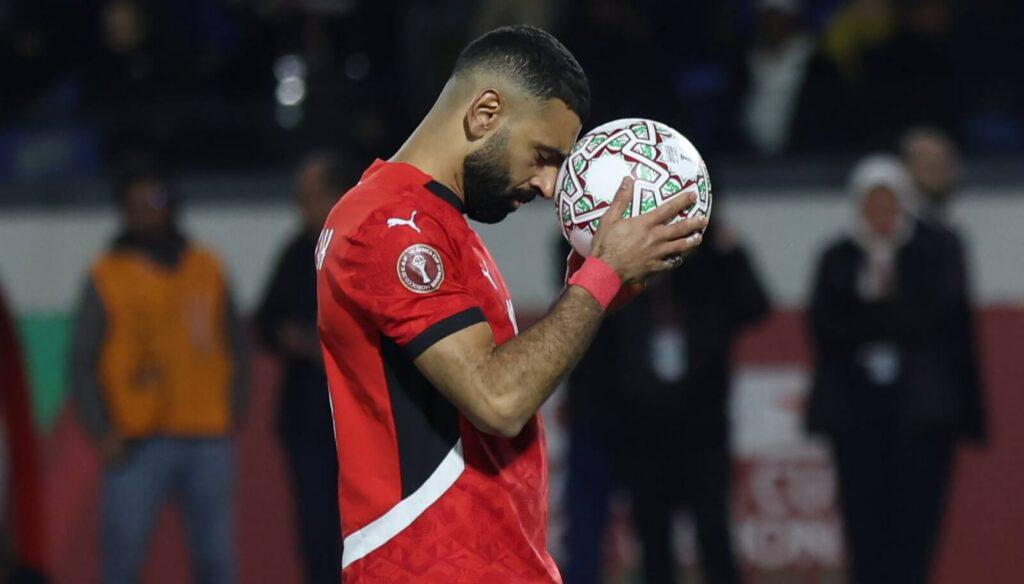
Salah remains Egypt’s most high-profile attacking focal point. As their talisman winger, his ball retention, cuts inside, and final pass or shot are Egypt’s best hope of breaking the Group G “goalless cycle.” Egypt’s FIFA ranking has climbed two places recently to 29th, suggesting reasonable momentum; yet with six group games without a goal, whether Salah can translate his club form into national-team output will directly shape their qualification prospects.
New Zealand vs Iran: The “Invisible Weight” of Experience and Physical Attributes
New Zealand are described as a side in good form, strong in physical battles, and varied in their scoring options; Iran are stable, experienced, and a perennial World Cup “old hand.” The two are 64 places apart in the FIFA rankings, yet both took points in the first three rounds — which itself shows Group G is not a one-horse race. For New Zealand, turning “multiple ways to score” into actual goals is the most realistic concern among fans at the community level; for Iran, maintaining tactical discipline through successive draws and waiting for opponents’ mistakes is a traditional strength.
What to Watch Next: Who Will Be First to Break the Goalless Stalemate in the Final Round
Drawing on source information and in-site fixture data, Group G has entered a phase of intense deadlock — level on points, goal difference, and goals scored. Belgium look strongest on paper, Egypt have Salah’s individual game-breaking threat, while New Zealand and Iran rely on resilience to drag matches into parity — none of the four can afford a mistake.
For readers, the metrics worth watching next are straightforward: first, Salah’s touch efficiency and shot conversion in the national-team system; second, whether De Bruyne can turn midfield superiority into assists or long-range strikes; third, the selection logic behind Egypt’s omitted squad, and whether it will backfire or pay off in final-round rotation. Group G’s real “star story” may not lie only in pre-match squad lists, but more likely in the first 90 minutes that break the deadlock.