


















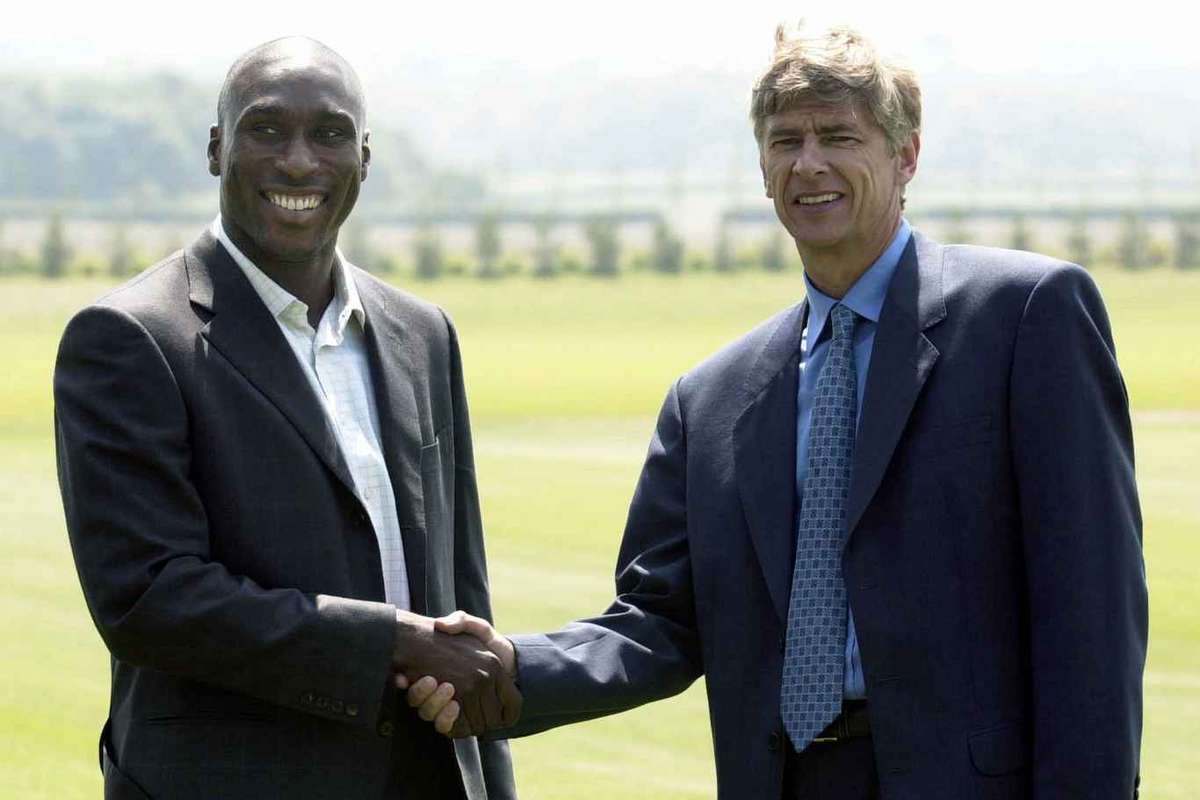
The calendar turns and the noise never really fades. Twenty-five years after July 3, 2001, the name still lands like a door slamming in a corridor where everyone knows exactly who walked out.
To most of the country, it is history — a line in a quiz, a footnote in a summer of Bosman-era chaos. For Arsenal supporters, it remains one of the sharpest pieces of business the Premier League has ever seen: a world-class centre-back, arriving for nothing, ready to anchor a title push. For Tottenham Hotspur fans, it is something else entirely. Not a transfer. A rupture.
Campbell was not a mercenary who drifted in and drifted out. He was theirs — academy raised, captain from 1997, the man who lifted the League Cup at Wembley in 1999. There is a particular bond a club reserves for a player it grows itself. You see the same emotional logic whenever Harry Kane's future flickers on the horizon. When that player leaves on a free, the club gets nothing back. When he leaves for Arsenal, the loss feels personal, almost treacherous.
The mechanics only sharpened the anger. Campbell's contract was running down, and the Bosman ruling meant he could walk away the moment it expired — a concept still raw in 2001 for supporters raised on the idea that players were assets, not free agents. Spurs saw the danger coming. Reports at the time said they offered to make him the best-paid player in the club's history. David Pleat, then director of football, later admitted Arsenal's financial muscle was simply "way out of our range."
Campbell, already among Europe's finest defenders, wanted Champions League football and silverware. He could have earned more abroad — Barcelona, Inter and others were in the picture — yet he wanted England, partly because that was where Sven-Goran Eriksson watched most of his football. Staying domestic was not the problem. The destination was.
What turned a painful negotiation into lasting fury was the secrecy. Campbell spent the summer telling Tottenham he was staying. Supporters believed him. Then he crossed North London without a fee, straight into the home dressing room of their oldest enemy. Some betrayals soften with time. Some are buried under new heroes and new stadiums. This one did neither.
The rivalry outlived managers, teammates and even the grounds where it happened. White Hart Lane is gone. Highbury is gone. Campbell's playing career is long finished. Yet the story still travels — through pubs, through social feeds, through every fresh debate about loyalty and leverage in the modern game. Spurs fans do not forget because the wound was never only about money. It was about trust, identity and the captain's armband.
Twenty-five years on, the anger has not calcified into indifference. It has settled deeper — in the part of football support that has nothing to do with reason at all. And every time the anniversary arrives, the atmosphere tightens again, as if July 2001 were yesterday and the door is still swinging shut behind him.