
















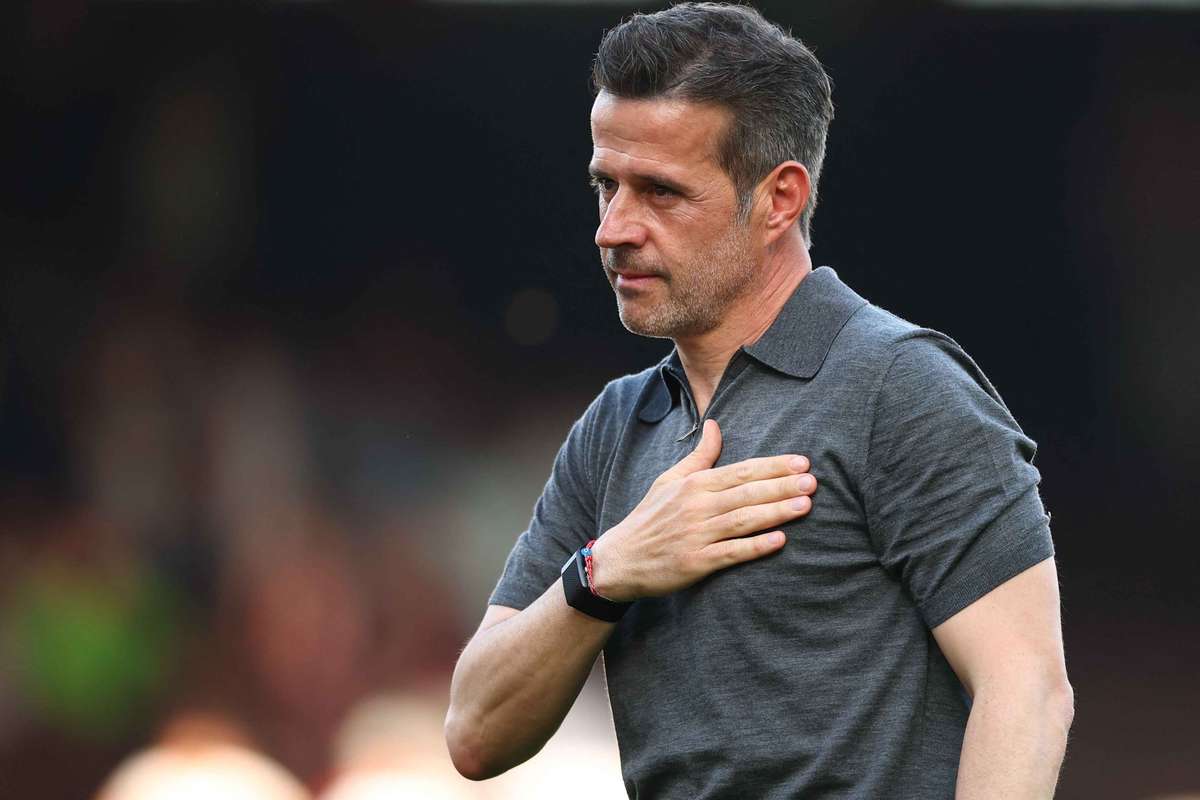
For official confirmation, Fulham have announced that head coach Marco Silva has rejected the club’s proposed contract extension and will end his five-year tenure at Craven Cottage when the 2026 off-season arrives. The decision has once again brought the familiar mid-table Premier League triangle of “manager–board–supporters” into public view: in an environment where sporting ambition and cost control sit side by side, renewal talks often define a club’s season long before any single result does.
The Issue: Institutional Pressures Behind the Extension Stalemate
Silva was appointed in 2021, leading the side to the Championship title in his first season, then guiding Fulham to 10th, 13th and two 11th-place finishes across the next four Premier League campaigns — helping the club move from the volatility of newly promoted life to a stable mid-table footing. For Fulham under Shahid Khan, a record of “safe from relegation but still short of a sustained push for Europe” fits the financial and squad realities of a mid-table club, while also raising the threshold for disagreement over tactical direction and investment expectations for the next three years in extension talks.
According to reports from sources including ScoreZ, the 48-year-old Portuguese coach chose to leave after being offered a new deal rather than being dismissed. The club stressed that “change is inevitable in this sport” and said it is prepared for this moment. From a governance perspective, this was no sudden shock, but a familiar outcome for lower-mid-table Premier League sides when contract cycles, uncertainty over European qualification and a manager’s personal career planning collide: when both sides cannot agree on whether “stable mid-table” equals “success,” rejecting an offer is often more predictable than staying on reluctantly.
Escalation: Ripples of Departure and the Managerial Chain
Silva's departure immediately ripples through the broader coaching market narrative. Multiple reports have linked him to the Benfica job—Benfica are searching for a replacement for José Mourinho, who may return to Real Madrid. If Silva ultimately takes charge at Benfica, Fulham's five-year experiment would close with a "Portuguese coach returning to a homeland giant" arc; for Fulham fans, Silva's farewell statement asking supporters to "stand with us from day one" and promising that "Fulham will always remain in my heart—I will return to Craven Cottage sooner or later" turns the departure into more than a personnel change—it becomes an institutional sealing of five years of shared memory.
The site's database shows Fulham's end-of-season results in 2025-26, adding a competitive footnote to this moment: Matchday 33 away 0-0, Matchday 34 home 1-0 win, Matchday 35 away 0-3 loss, Matchday 36 home 0-1 defeat, Matchday 37 away 1-1, Matchday 38 home 2-0 win. Two wins, two draws, two losses across six rounds—the final home victory closed the Silva era but did not alter the season's profile of "stable mid-table, limited ceiling"—which also explains why the board was willing to respect his contribution while accepting the manager's voluntary departure at this juncture.
Path Forward: How Fulham Will Navigate the Post-Silva Era
Owner Shahid Khan publicly thanked Silva for being "a perfect fit for Fulham over five years" and wished him well. For the club, the key is not mourning the past but whether the successor can inherit two institutional legacies: first, the Premier League survival and squad-building rhythm established after winning the Championship; second, the bond of trust forged with West London's community and the 29,589-capacity Craven Cottage faithful. Fulham have stated they are prepared for a managerial change, and the next step will focus on criteria for the appointment—whether to continue Silva's possession-based, organized attacking style, or adjust the investment structure to push for a higher league standing.
From a professional standpoint, Silva’s decision to reject a new deal and leave should cause only manageable short-term damage to Fulfulham: five years of mid-table stability show he has already completed his core mission of “securing Premier League status after promotion,” and the main risks of a change in the dugout come from the tactical discontinuity common among mid-table sides and mismatches with the summer transfer window. If Silva moves to Benfica, the Mourinho–Benfica–Real Madrid chain reaction would be irrelevant to Fulham, but it would tighten the supply of top Portuguese managers in Europe, indirectly raising both the quality of rival suitors and salary expectations in Fulham’s search for a successor.
Readers should watch three things next: when Fulham officially name their next manager and outline their timetable for preparing for the 2026–27 season; whether summer signings are rebuilt around the new coach’s system; and whether developments at Benfica, Real Madrid and Mourinho confirm Silva’s next destination. For those who have long tracked the evolving structure of the Premier League, this departure underlines once again that at mid-table clubs, the manager’s contract cycle often shapes the club’s path for the next two or three years more decisively than the transfer window—and Fulham’s next contract extension will belong to whoever takes the seat in the Craven Cottage dugout.