
















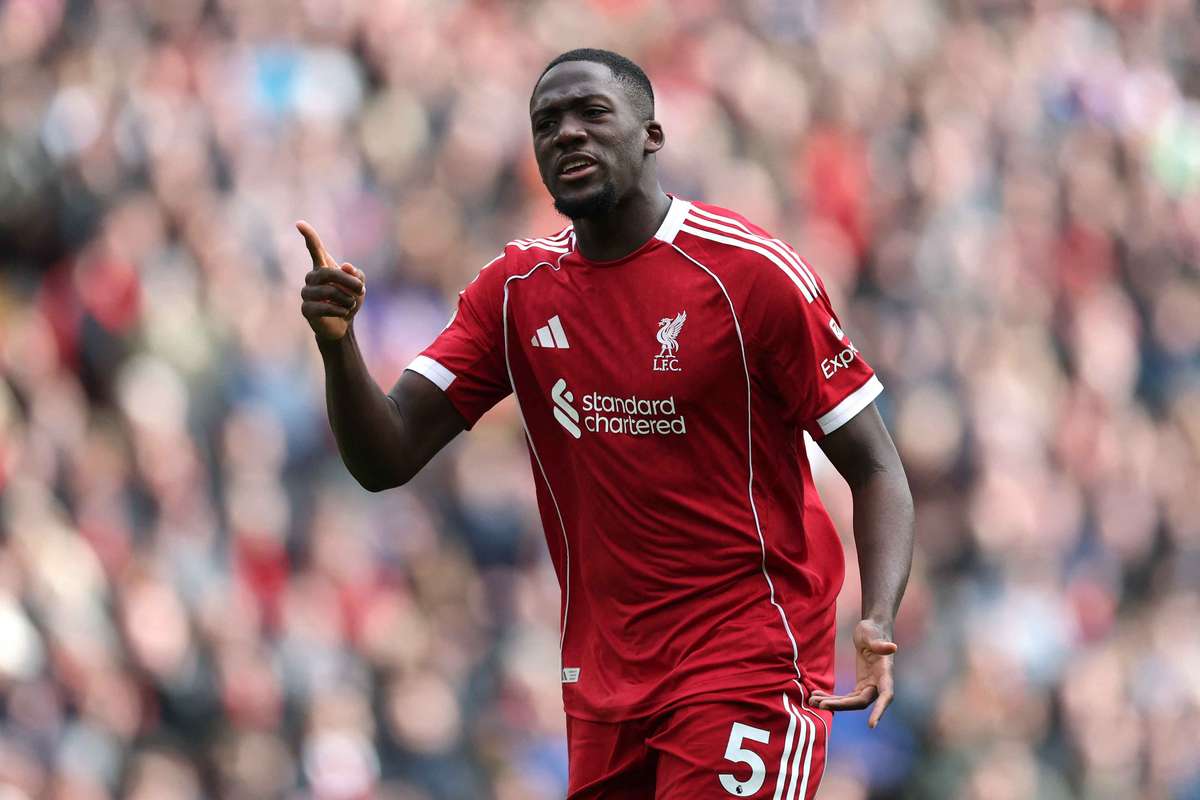
According to multiple reports in the UK and confirmation through French sources, contract renewal talks between Liverpool first-choice centre-back Ibrahima Konaté and the club have broken down. The France international, who joined Anfield in 2021, is under a deal that runs until 30 June 2026; barring a late twist, he will enter the 2026-27 transfer market as a free agent.
Talks collapse: a “zero-cost departure” within the regulatory window
Konaté has long been regarded as one of Europe’s leading centre-backs in his position and has drawn sustained interest from suitors over recent months; the club had previously expected him to stay and sign a new deal. However, the two sides failed to agree fresh contract terms, meaning Liverpool could lose a defensive pillar without receiving a transfer fee—a textbook case of “contract-cycle management failure” under current transfer rules and financial fair play frameworks: the player serves out his deal, the club loses bargaining power, and the market is driven by the player and prospective new employers.
From a governance standpoint, outcomes of this kind often reflect three layers of pressure: aligning wage structure with squad benchmarks (same position, similar age bracket); diverging assessments between the football and commercial departments on “immediate impact plus asset preservation”; and timing within the season—if talks drag into the closing stages, the player’s price expectations and the window to identify replacements tighten in tandem. For Liverpool, Anfield (capacity 61,276) remains the home stage, but squad planning can no longer sidestep the need to reinforce at centre-back in the summer window.
Player preference: La Liga first, with Ligue 1 and the Premier League still open
Information indicates that Konaté has listed La Liga as his preferred destination, which does not conflict with the top-flight experience he has built up over five years in England: he remains at elite European level, and once his contract expires he can choose a setup with a clearer tactical role and more stable playing-time expectations without triggering a transfer fee. At the same time, he has not ruled out staying in the Premier League—his reputation and adaptation here remain strong; his hometown club Paris Saint-Germain (PSG) is also on the shortlist, adding both geographic and brand variables to the move.
It should be stressed that before any official announcement, the specific destination, signing-on fee and contract length remain open; reporting has only confirmed three main lines: failed contract renewal, expiry as a free agent, and a preference for La Liga. For Liverpool, wherever Konaté ultimately lands—La Liga, Ligue 1 or another Premier League club—they will face a defensive rebuild and a reallocation of wage budget; for potential La Liga suitors, a formal case for the signing must be made within the tension between financial constraints and immediate competitive impact.
Club impact: defensive assets, fixture schedule and search for replacements
The direct impact of the collapsed talks is that Liverpool lose any “priority matching right” over Konaté’s future destination. In the intensity of the Premier League, centre-back is already a low-forgiveness position: one free-agent exit can bring both a competitive gap and reputational pressure around being “unable to keep a core player”. In-house fixture data show Liverpool drew 1-1 with their opponents in matchday 38 of the 2025 season (kick-off 2026-05-24 23:00); stability in the closing phase of the campaign already depended on sustained defensive output, and if an equivalent replacement is not secured in the summer window, the risk exposure at the start of next season will increase.
From a policy and institutional standpoint, Liverpool need to settle quickly on one of three paths: first, push for discounted replacement signings before the summer window closes (if targets remain and sellers are willing to deal); second, elevate internal centre-back pecking order and adjust the defensive system (pressing, recovery runs, set-piece assignments); third, accept short-term sporting volatility in exchange for rebuilding the wage structure over a longer cycle to restore financial flexibility. On Konaté's side, he holds complete leverage: he can weigh sporting, tax, playing-time and national-team environments across La Liga, the Premier League and PSG, without transfer fees dictating the pace of negotiations.
Follow-up watch: announcement timing and the pace of the defensive rebuild
The key points to watch over the coming weeks include whether Liverpool activate a formal shortlist of replacements, whether they open remedial talks with Konaté on a "short pre-expiry extension in return for a transfer fee," and the travel and contact rhythm of the player's camp between La Liga and Ligue 1. For supporters and management alike, the core lesson is not the fate of one player, but how top clubs align contract expiry dates, wage-cap logic and competitive windows on the recurring issue of "star centre-back renewals"—otherwise the market will deliver the final verdict on institutional execution through a free transfer.
Based on available information, Konaté's departure trend is already quite clear, but league choice and contract structure remain to be finalized. If Liverpool are to maintain Premier League title-challenging competitiveness while losing a defensive pillar, summer-window reinforcements at the back and internal promotion must advance in parallel; otherwise the opening of the 2026-27 season will first test the club's governance and execution, not the wording of a press release.