

















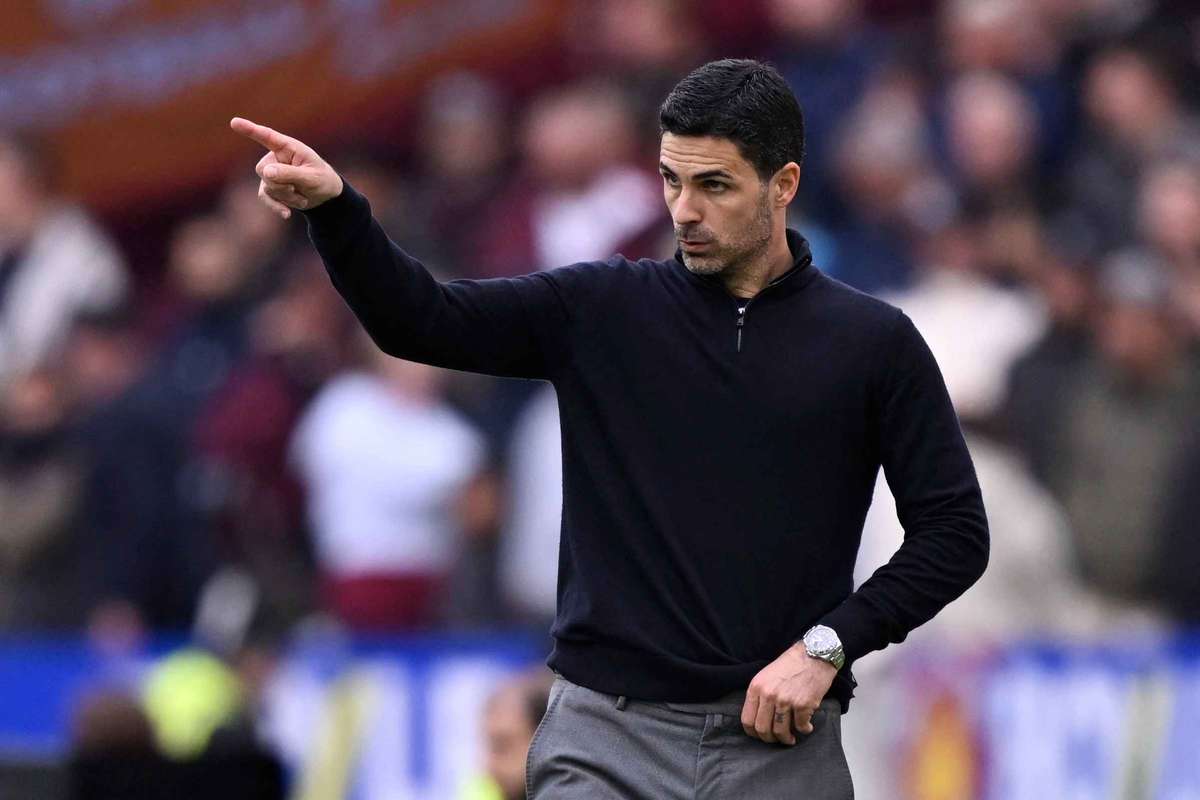
Arsenal claimed their first Premier League title in 22 years this season with a brand of pragmatism that cuts against their “beautiful football” image in English football. Under Mikel Arteta, the side no longer only showed the polished, Pep Guardiola-style positional passing game; instead, set pieces, slowing the tempo and tactical fouls were turned into a repeatable winning script.
From Baby Gunners to “Bad Gunners”
Since Arteta took charge, the Gunners had long been seen as a model of high pressing and structured possession play. In recent seasons that image has been steadily rewritten: first by turning set pieces into a systematised, reliable source of goals, then by using dirtier off-the-ball details to throttle opposition transitions. English media have even begun debating openly whether this London club skirt the rules — the “Bad Gunners” label sums up that shift in character.
Delaying play is not a sideshow, but a title-winning lever
In a modern game built for speed, Arsenal have done the opposite: when it is time to go slow, they go slow. After dead-ball situations, players are in no hurry to restart quickly; throw-ins are deliberately held up to keep possession and rhythm in their hands. Each move looks like a small nuisance on its own; stacked together, they directly shrink the opponent’s effective attacking window.
At the data level, the same choice is clear in the Champions League: Arsenal rank low for effective playing time in the competition this season, 30th. The club clearly knows the ground it is walking on and is willing to wear the reputational cost — trading less time on the pitch for tighter control of results.
Tempo, fouls and breaking transitions
Beyond time management, Arteta also seeks fouls in preset zones and uses tactical interventions to break up the opponent’s continuity from defence to attack. What was once a “Baby Gunners” project built on showy passing and possession is now more like a risk-calculating defensive machine: among the lowest goal conceders in Europe, with set pieces the team’s most distinctive technical calling card.
Where is the problem: how to balance efficiency and aesthetics
The real issue is not whether Arsenal “will play beautiful football,” but whether, in a title-race window, the pairing of a slow tempo and living at the margins of the rules can keep paying off over the long haul. Time-wasting and tactical fouls raise the cost of the physical battle and drag down the flow of the game; once opponents and referees tighten whistles and pressing intensity, the precision on these details has to rise in step—or advantages quickly flip into yellow cards and set-piece risks.
On the table, that trade-off has worked this season: defensive steel, set-piece conversion, and tempo control together turned title probability into points. For Arteta, fusing positional play with unapologetic pragmatism is itself a contrarian tactical bet—football allows you to “work the rules” within the framework, and the Gunners have drilled it into discipline.
What to watch next
Champions League knockout football is faster and effective playing time is scarcer—whether the Gunners can carry the time management and transition disruption from their Premier League title push into higher-intensity games will be the central test next season. What supporters should really track is not sloganeering about a “return to beautiful football,” but set-piece efficiency, goals conceded, and whether they can still lean on the same tempo script under pressure in the decisive moments.