

















Every World Cup sells the same promise: somewhere in the bracket, an unknown name becomes unforgettable. The megastars still dominate the billboards — Kylian Mbappé, Jude Bellingham, Vinícius Júnior and the rest remain the headline act. But the tournament has always run on a second script, the one where reputations arrive intact and leave enlarged.
That script is playing out again in 2026. Only this time, the breakout list refuses to behave. These are not all teenage wonderkids. They are not all wonder goals from nations nobody can find on a map. Some are veterans. Some are graft-over-glamour midfielders. Some are creative mavericks in squads already stuffed with talent.
If you want to understand why this tournament feels different, stop looking at the star map and start reading the fine print.
The Breakout Rule Nobody Explains Properly
Here is the part casual viewers miss: a World Cup "rising star" is not a scouting report. It is a compression event.
Four weeks. One stage. Global cameras. A player who was background noise in domestic leagues suddenly becomes the only name your group chat can spell. That transformation does not require a transfer fee or a Ballon d'Or shortlist. It requires a moment — or a series of them — when the entire planet watches at once.
Sometimes that moment belongs to a 19-year-old winger skinning a full-back. Sometimes it belongs to a goalkeeper old enough to remember when keepers were actually allowed to pick up back-passes. The mechanism is identical even when the profile is not.
That is why the 2026 class feels so refreshing. The tournament is not just minting the next generation. It is rewarding patience, composure, and players who make difficult jobs look routine.
Vozinha: The Veteran Who Rewrote the Age Limit
When people hear "rising star," they picture an 18-year-old with slick boots and a highlight reel. Vozinha looked at that template and laughed.
At 40, the Cape Verde goalkeeper has become one of the defining stories of this World Cup. Before the tournament, plenty of supporters outside Africa would have struggled to place him. After holding European champions Spain to a 0-0 draw in Atlanta — making seven saves in the process — he became impossible to ignore.
This was Cape Verde's first World Cup. Vozinha made it historic. He became the oldest player to appear in a nation's debut World Cup match, a record that tells you everything about how long he waited for this stage. Born Josimar Dias, he built a career across Portugal, Cyprus, Moldova, Angola and beyond. One major domestic cup. Hundreds of matches. A lifetime of near-misses.
Then Spain arrived with 27 shots and left with nothing.
His calm spread through the back line like a contagion — the good kind. Cape Verde competed as equals against a side most pundits had penciled in for a deep run. He followed that display with another clean sheet against Saudi Arabia, three more saves, and second place in Group H. Suddenly a debutant nation was heading into the knockout rounds as one of only 16 unbeaten teams in a 48-nation tournament.
Football loves to pretend it worships youth. Vozinha politely disagreed. Experience decided to steal the show, and millions of new followers arrived overnight to watch it happen.
Why the Spain Performance Was More Than Hype
The numbers matter because they were earned under pressure, not manufactured by algorithm. Seven saves against Spain. A clean sheet in a nation's first-ever World Cup match. A goalkeeper over 40 producing a workload that only Pat Jennings, at 41, has exceeded at this level in the modern era.
That is not a feel-good sidebar. That is a tactical earthquake. When a keeper commands his area that authoritatively, the entire defensive structure plays taller. Cape Verde did not survive Spain by accident. They survived because Vozinha refused to let the favorite breathe.
Nathan Saliba: Canada's Midfield Engine Without the Fireworks
Co-hosts Canada entered this World Cup carrying hope and history in equal measure. Nathan Saliba has been central to both.
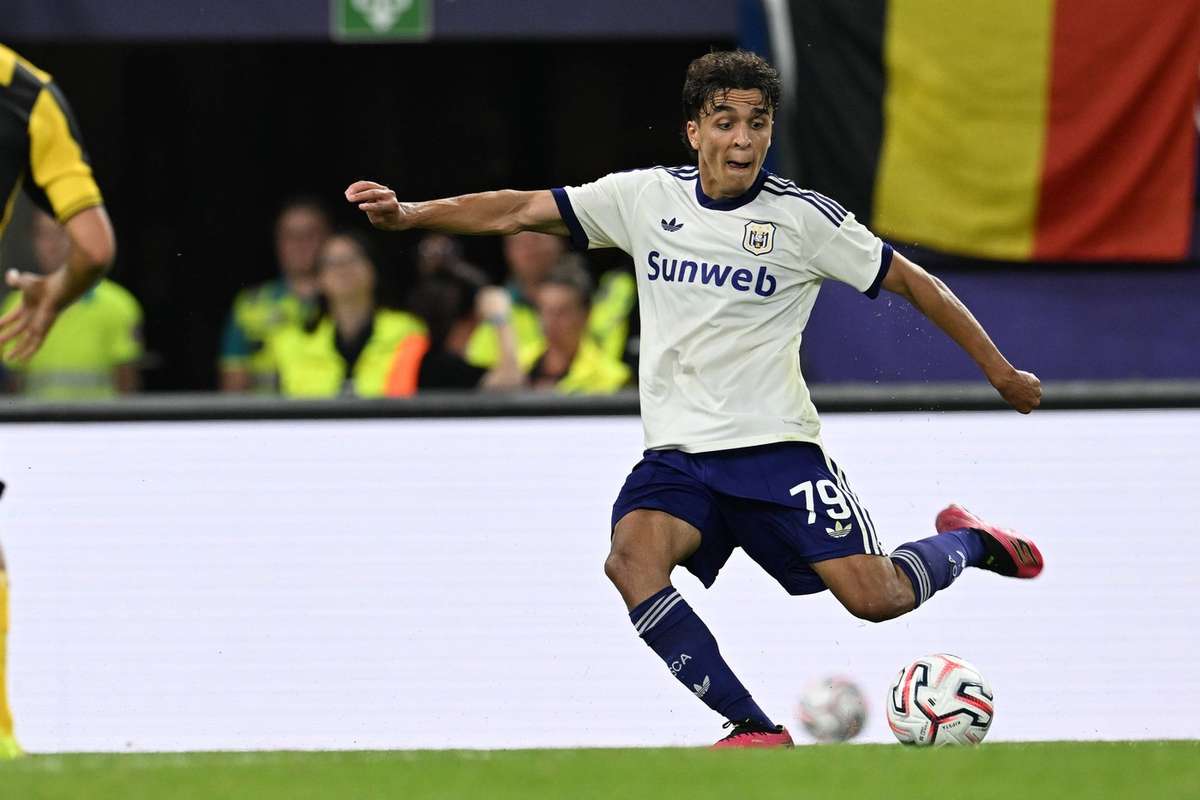
The 22-year-old Anderlecht midfielder is not here to collect social media followers with stepovers. He covers ground, wins the ball back, and keeps attacks moving with passing that looks simple only because he thinks faster than the camera can follow. Coaches adore that profile. Opponents usually do not.
Canada's run to the knockout stages has given him a global audience he rarely had before June. His breakout moment arrived when the team needed composure most. After Ismaël Koné suffered a broken leg against Qatar, Saliba came on and scored within eight minutes of entering the pitch. Canada went on to win 6-0. He held up Koné's jersey in tribute — a gesture that said more about his character than any statistic could.
That goal was only his third for the national team and his first at a World Cup. He had managed just two international goals before the tournament. Now he has a goal and two assists across the competition, proof that breakout status is not always about volume. Sometimes it is about timing, maturity, and the ability to stabilize a team when emotion threatens to pull it apart.
Saliba rarely produces flashy skills. He simply makes football look easy. That is a harder trick than it sounds, especially on home soil when the entire country is watching.
Youssef Belaïli: Algeria's Creative Spark in a Crowded Room
Algeria arrived in North America with no shortage of quality. In a squad loaded with experienced operators, Youssef Belaïli has still managed to pull focus.
The winger's value is not always visible in raw counting stats. It lives in the half-second before the pass — the feint, the change of pace, the willingness to attempt what safer players leave in the notebook. Algeria needed that unpredictability in a group where fine margins decide everything. Belaïli provides it.
He is not a discovery in the strictest sense. Continental audiences know the Esperance Sportive de Tunis attacker well. But World Cups do not care about regional fame. They care about who captures the neutral eye when the lights are brightest.
Belaïli has done exactly that. Where others recycle possession, he probes. Where others settle for the safe option, he asks a question. In a tournament obsessed with structure and pressing triggers, a player who can bend a defense with one touch remains a luxury — and occasionally a necessity.
What These Stories Change About How We Watch
The breakout star narrative is usually packaged for fantasy managers and transfer rumor mills. That framing is too narrow.
Vozinha reminds us that career arcs do not expire on a birthday. Saliba shows the stage is big enough. Belaïli reinforces that creativity still wins arguments in an era of systems football.
None of them needed a pre-tournament marketing campaign. They needed minutes, opportunity, and the courage to perform when the world finally looked their way.
That is the real World Cup contract: not guaranteed stardom, but guaranteed visibility. What happens next is on the player. These three have already signed their names into the 2026 ledger — and the knockout rounds may still have more pages to add.