


















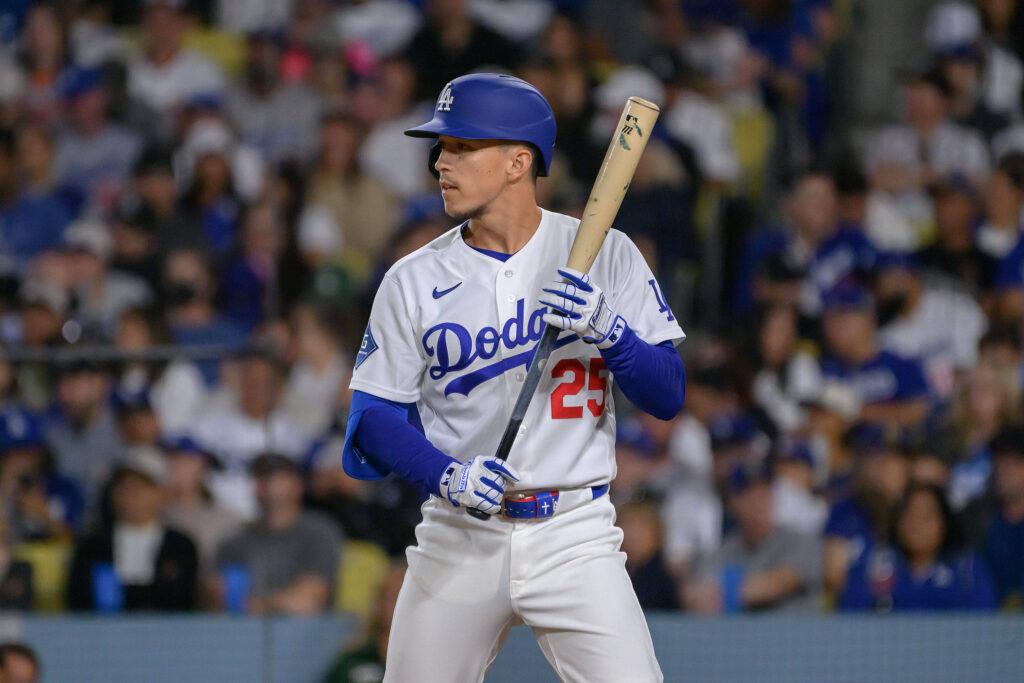
The Los Angeles Dodgers walked into Sacramento on Tuesday and treated Sutter Health Park like a routine stop on a championship commute. A 9-3 final over the Athletics was never in serious doubt once Los Angeles built a 5-1 lead through three innings and kept adding pressure until the seventh. In front of 12,387 fans, the visitors turned a road date into a statement about depth, discipline, and the kind of nightly professionalism that separates contenders from everyone else still trying to figure out who they are.
That is not hype. The box score reads like a team that understood the assignment from the first pitch.
A Box Score That Tells the Whole Story
Los Angeles scored in bunches across the first, third, sixth, and seventh innings. The Athletics scratched across one run in the opening frame and added two more in the seventh, but those moments felt more like punctuation than momentum. The Dodgers finished with 14 hits, two home runs, and five walks. Oakland managed seven hits, one walk, and 15 strikeouts — a combination that makes comeback conversations die quietly in the dugout.
The offensive profile was relentless even when it was not efficient. Los Angeles hit .368 with a .422 on-base percentage and a .579 slugging mark, good for a 1.001 OPS. They doubled twice, homered twice, and drove in nine runs from a lineup that never needed one hero to carry the night. Yes, they stranded 23 runners. In a lesser performance, that number becomes the headline. Here, it mostly underscored how often the Dodgers simply kept showing up at the plate.
Edman Steals the Night Without Stealing the Spotlight
Tommy Edman had the kind of game that makes stat sheets look understated. He went 4-for-5 with a home run, four RBI, and two runs scored. More telling than the volume was the timing: Edman was a perfect 2-for-2 with runners in scoring position and drove in three runs with two outs. That is not luck. That is a hitter who understands leverage.
Around him, the production stayed balanced in the way championship rosters are supposed to look. Mookie Betts went 3-for-5 with a double and an RBI. Freddie Freeman stacked a 2-for-4 line with a double, a walk, and two runs. Miguel Rojas chipped in a home run and two RBI. Andy Pages collected two hits. Shohei Ohtani reached twice on a single and a walk. Nobody needed to apologize for anyone else. The order turned long innings into crooked numbers, which is exactly what road wins require when travel, unfamiliar surroundings, and a home crowd are working against you.
What Balanced Offense Actually Means
There is a difference between a hot team and a deep one. Hot teams ride one streak until it cools. Deep teams absorb cold spells because the next guy is still dangerous. On this night, Los Angeles looked like the latter. Even with all those runners left on base, the constant traffic wore down Athletics pitching in a way that shows up in late innings and in the next day's bullpen usage. Pressure is not always measured in runs. Sometimes it is measured in pitch counts, defensive shifts, and the slow erosion of confidence on the mound.
Wrobleski Sets the Tone the Staff Finished
Justin Wrobleski gave the Dodgers exactly what a road win needs from its starter: control, strikeouts, and enough length to keep the game from becoming a nightly bullpen referendum. The lefty worked seven innings, struck out 11, walked none, and allowed seven hits and three earned runs on 110 pitches — 77 of them strikes. That is a quality start by any reasonable standard, and it reflected command with punch. His 14.143 strikeouts per nine for the night was not a cosmetic number; it was the backbone of a performance that kept Los Angeles in charge.
The bullpen did not make anyone nervous either. Brock Stewart handled the eighth with one strikeout and one walk, no hits allowed. Wyatt Mills struck out the side in the ninth on 14 pitches. As a staff, the Dodgers fanned 15 and walked only one, holding the Athletics to a .212 average and a .568 OPS. When your starter gives you seven clean innings and the backend closes without drama, the offense can breathe. That matters over a 162-game calendar more than any single highlight clip.
The Other Side of the Ledger
Credit where it is due: the Athletics did not fold entirely. Two runs in the seventh kept the home crowd engaged for a moment, and seven hits against a staff that struck out 15 batters suggests there were pitches to hit. But one walk and 15 strikeouts tell you Oakland's offense never sustained anything resembling a rally. Empty at-bats pile up quietly. By the time the seventh-inning runs arrived, the game had already drifted out of reach.
For a franchise playing in a temporary home while its permanent ballpark situation sorts itself out, nights like this can feel especially sharp. Sacramento welcomed a marquee opponent, sold tickets, and got a competitive atmosphere. What the Athletics could not deliver was the kind of offensive response that turns a respectable crowd into a genuine home-field advantage.
What This Win Signals — and What It Does Not
One game in early July does not crown anyone, and pretending otherwise is how bad sports commentary loses the plot. But the shape of this victory matters. Los Angeles did not need a miracle inning or a defensive meltdown from the opposition. It won with starting pitching, timely hitting, and a bullpen that finished what it started. That is the boring, effective blueprint good teams repeat until opponents start calling it inevitability.
The Dodgers left 23 runners on base and still won by six. That is both a warning and a flex. The warning is obvious: leave that many opportunities on the table against better pitching and the scoreboard tightens. The flex is equally real: a lineup deep enough to win comfortably while leaving that much meat on the bone is a lineup opponents lose sleep over.
Final Word
Sacramento got a show. The Athletics got a reminder of how wide the gap can look when one team controls the mound and spreads damage across the order. For Los Angeles, it was another road win that looked less like a surprise and more like a habit — the kind of habit that keeps a season pointed in the right direction long after the novelty of summer baseball wears off.