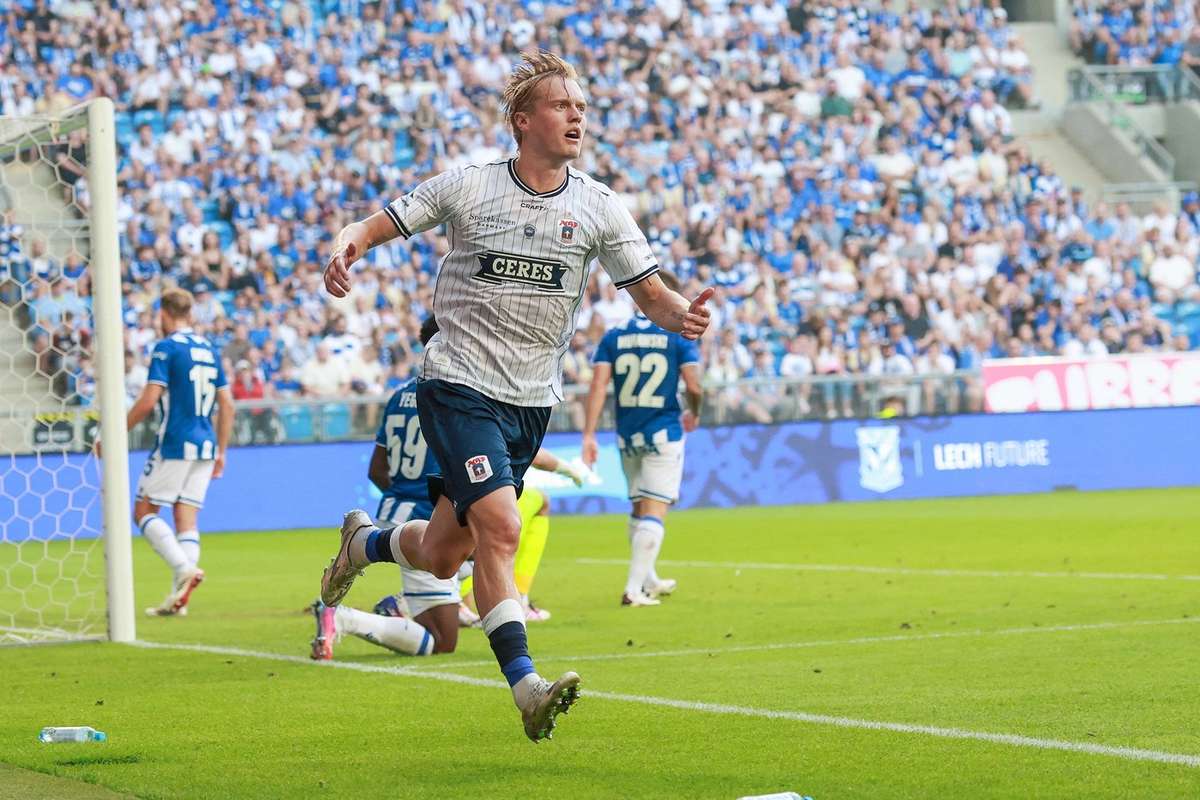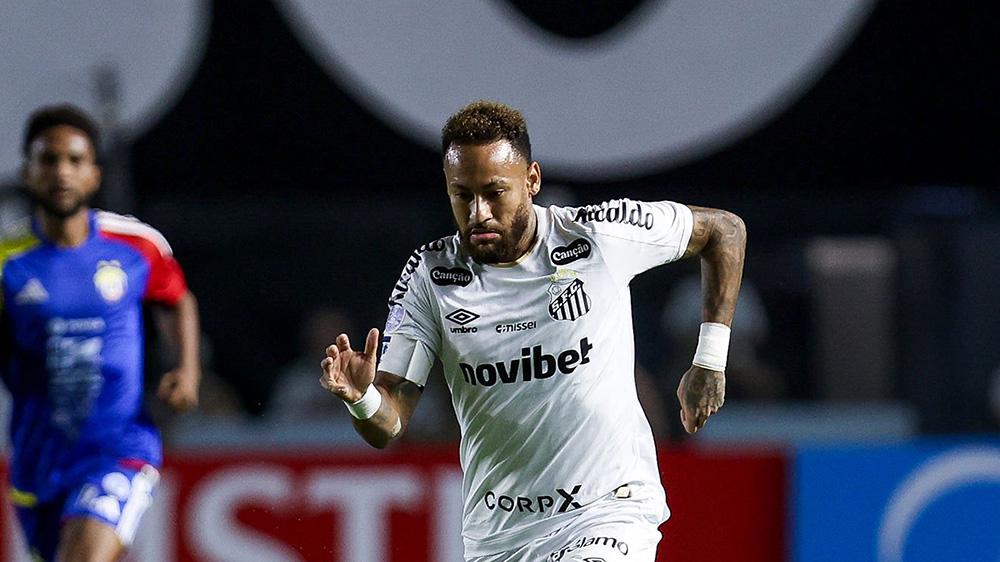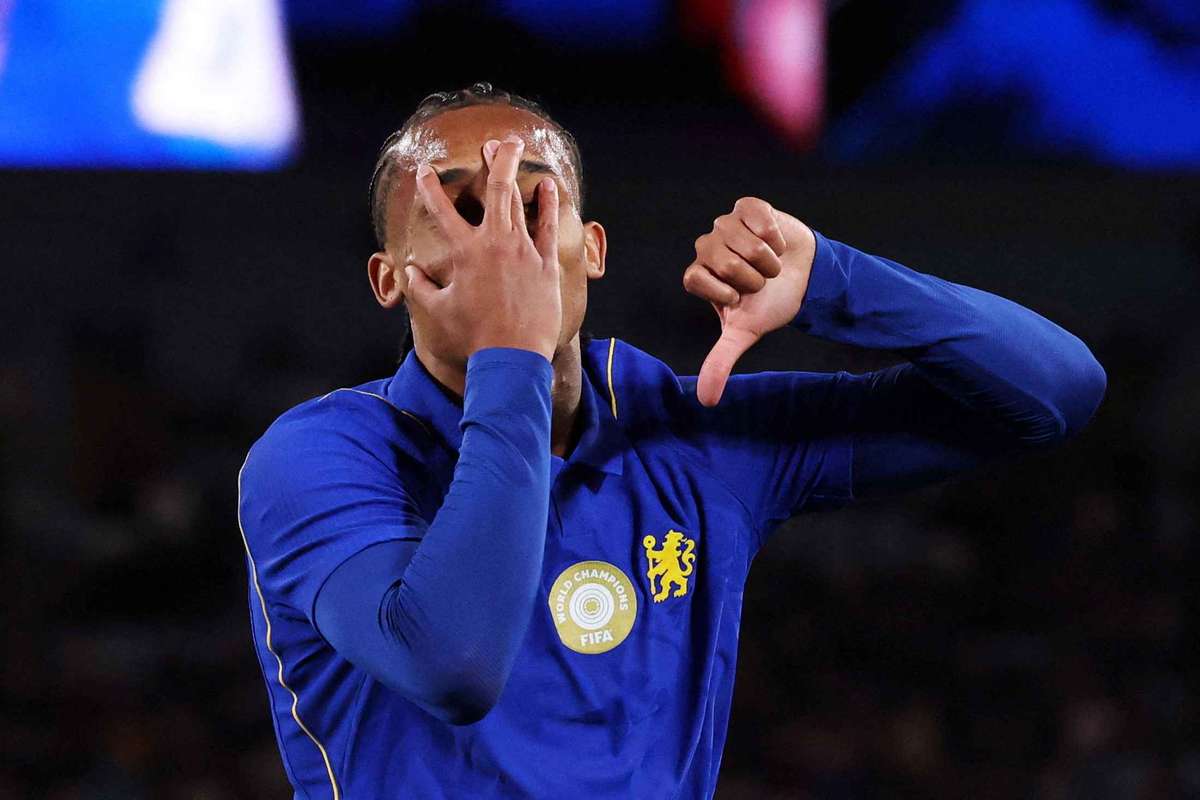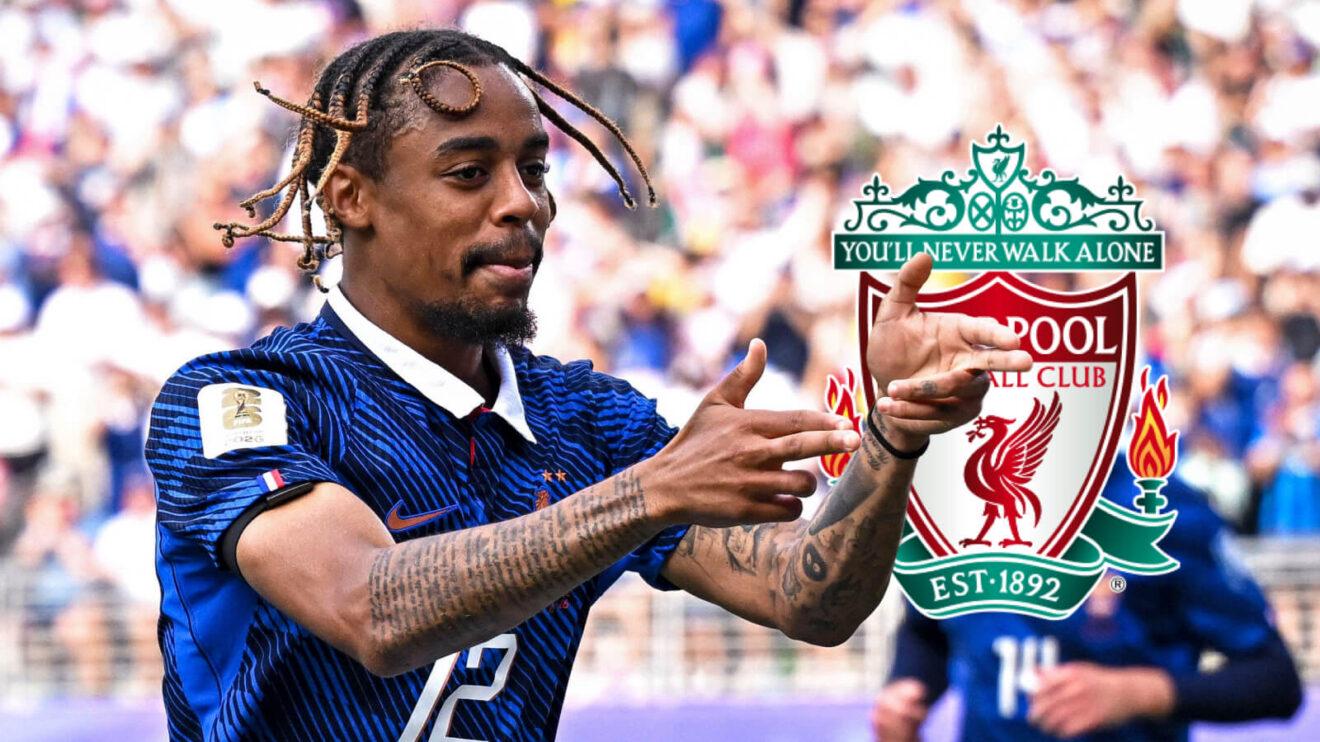


















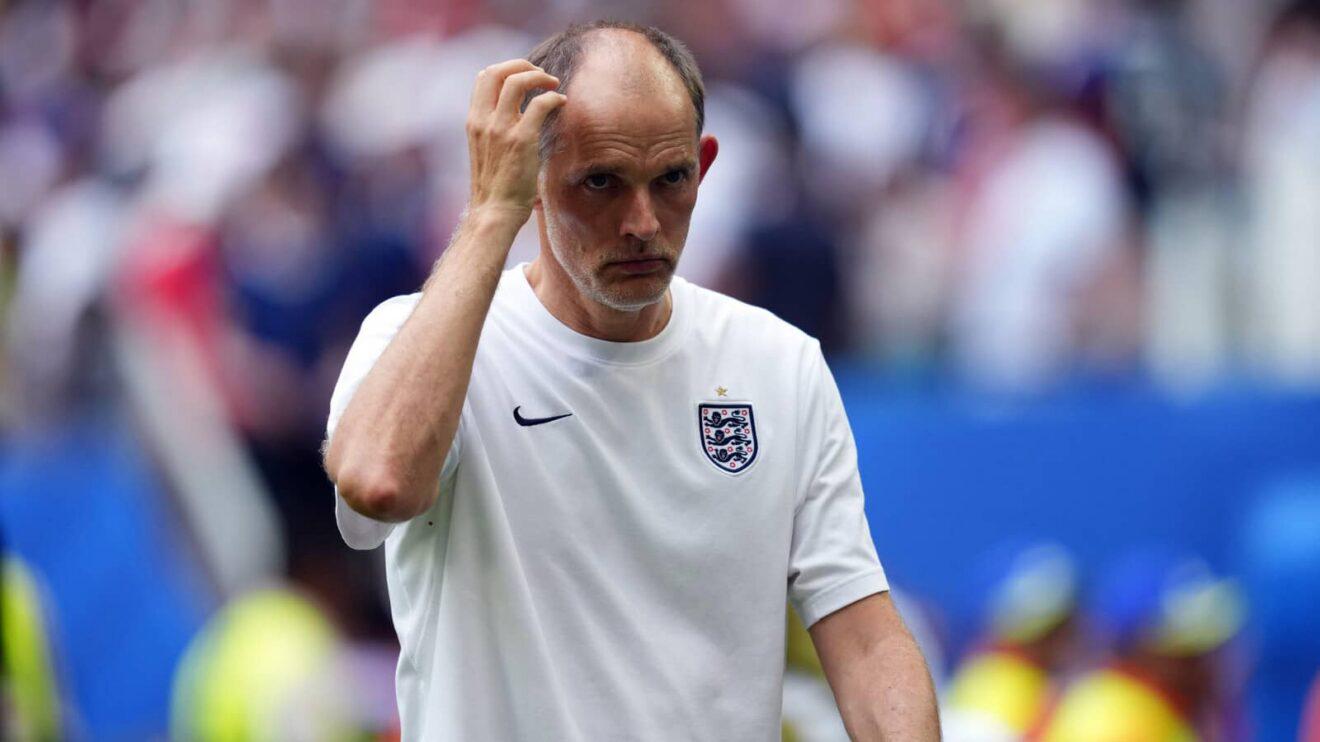
England walked off the pitch in Miami with numbers that belong on a museum plaque and a mood that felt closer to a wake. A 6-4 victory over France secured third place at the 2026 World Cup, the country's finest men's finish since the triumph of 1966 and its strongest result ever on foreign soil. Bukayo Saka's hat-trick placed him beside Sir Geoff Hurst as the only England players to score three times in a World Cup knockout match, and evoked the distant echo of Pelé—the last man to bag a treble against France in this competition, back in 1958.
Yet for all the noise and goals, the conversation around Thomas Tuchel did not soften. If anything, the contrast sharpened it. The same squad that stretched France with pace and vertical ambition had, one round earlier, retreated against Argentina in a semi-final that left supporters asking why the boldest version of this team appeared only after elimination from the final was already decided.
A Bronze That Reads Like a Footnote to 1966
Historians of English football tend to sort World Cup stories into two piles: the ones that redefine a generation and the ones that illuminate what almost happened. Third place rarely sits in the first category. Still, the scale of this win matters. Six goals against France is not a consolation prize scored in whispers; it is a statement match, the kind that forces rivals to update their scouting reports even when the trophy has already been handed elsewhere.
Saka's performance carried its own lineage. Hurst's hat-trick in the 1966 final remains the benchmark because it delivered the only star England truly wanted. Saka's treble arrives under different circumstances—no Wembley coronation, no Jules Rimet lifted—but it confirms a pattern modern England keeps repeating: individual brilliance capable of matching the sport's historic scorers, paired with a collective arc that still stalls one decision short of the last dance.
Why the France Game Felt Like a Release Valve
Tactically, the third-place playoff often behaves like an exhibition with stakes attached. Pride is real; so is fatigue. Teams that lost heartbreaking semi-finals can either unravel or rediscover the identity that carried them through the group stage and the knockouts. England chose the second path against France.
The front line operated with width and directness. Saka and Marcus Rashford repeatedly attacked space behind the French back line, turning recovery runs into counterweights that defenders hate most: speed arriving from angles, not from predictable central channels. When England play at that tempo, the pitch effectively shrinks for opponents—every backward pass becomes a countdown.
That is precisely why the Argentina semi-final lingers. Supporters did not need a lecture to understand the emotional whiplash. They had watched a team capable of six goals against a elite opponent produce, when it mattered most, a second half that looked cautious to the point of paralysis.
The Managerial Verdict: Failure, or a Lesson in Tournament Timing?
Tuchel's future as England head coach remains unresolved in public, though many expect the Football Association to retain him. The debate among former players and analysts has turned less on whether England improved under his guidance—there is evidence they did—and more on whether a manager hired to unlock a golden generation failed at the exact moment elite tournament management is supposed to separate good coaches from great ones.
Danny Murphy framed the argument in blunt terms. He acknowledged Tuchel might survive politically after a bronze medal, but argued he should not. In Murphy's reading, England missed a World Cup final because of tactical choices, not because the squad lacked talent. His sharpest criticism targeted selection and game-state management against Argentina: too many of England's most creative attackers, he suggested, were not on the pitch when the tie demanded risk.
"The frustrating thing," Murphy argued in essence, "is that the forward thinking shown against France simply was not there against Argentina." That line captures the entire Tuchel paradox. The win in Miami looked like proof of concept. The semi-final looked like proof of hesitation.
Pace as a Tactical Weapon—and a Missing Ingredient
Stephen Warnock approached the question from a defender's perspective. He entered Tuchel's appointment hoping the German coach would "take the handbrake off"—a phrase that has followed England managers for decades, from cautious build-up phases to overly respectful approaches against top-tier opponents.
Against France, Warnock saw the handbrake released. Width, running power, and vertical passes turned the match into the sort of nightmare centre-backs describe in interviews: constant scanning, no time to set the offside trap, no moment to breathe. Warnock pointed to Saka and Rashford as the primary stressors. Pace, he noted, "kills anyone" at this level because it compresses decision time for defenders and forces midfielders to cover distances they cannot sustain for ninety minutes.
The disappointment, in Warnock's view, was not that England lacked those tools. It was that the semi-final seemed to abandon them so quickly. Where, he asked, was that same speed against Argentina? The question is not rhetorical. In knockout football, tempo is not merely aesthetic; it is a structural weapon that prevents opponents from settling into a low block and controlling emotional momentum.
Keown's Mixed Reading: Spectacle After the Procession
Martin Keown, capped 43 times for England and long associated with the rigorous defensive standards of the 1990s, offered a slightly more tempered assessment while still acknowledging the bitter aftertaste. He praised the pace and power on display against France, calling it remarkable, yet compared the feeling to life "after the lord mayor's show"—a British idiom for anticlimax after pageantry. The bronze match dazzled; the semi-final still defined the campaign's meaning.
Keown's nuance matters because it mirrors a split in supporter sentiment. Few will dismiss a best finish in sixty years as meaningless. Many will nevertheless feel that a team with this attacking ceiling should measure itself against finals, not moral victories carved from consolation games.
What History Suggests About Surviving a Near Miss
England's relationship with World Cup near misses is well catalogued. Teams that reach semi-finals and fall short often trigger immediate managerial reviews—sometimes fair, sometimes panic dressed as principle. Coaches who survive tend to share one trait: they convince decision-makers that the failure was episodic, not structural. Coaches who depart usually lose the argument that their system, not the moment, was misaligned.
Tuchel's case sits uncomfortably in the middle. A bronze on foreign soil strengthens the structural argument. The Argentina second half strengthens the episodic critique. If he stays, the narrative he must sell is straightforward; it was the baseline this squad reaches when tactical fear is removed. If he goes, the counter-narrative writes itself: no manager should keep a job when a squad this talented exits the tournament one conservative half away from a final.
The Standard England Now Claims to Hold
Modern England squads are judged differently from earlier generations. Expectations are no longer anchored to quarter-final respectability. When a country produces clustered world-class attackers and flexible midfielders, the public benchmark shifts from progress to conversion—turning deep runs into trophies, turning dominance in spells into dominance across ninety minutes when the opponent is Argentina and the path leads to a final.
That elevated standard is why pundits round on Tuchel even after a six-goal win. The France match answered a stylistic question: England can play fast, brave, and ruthless. The Argentina match left a managerial question unanswered: can Tuchel consistently authorize that version when the cost of a mistake is highest?
Where the Debate Likely Lands
Unless the FA signals otherwise, Tuchel probably retains enough credit from overall tournament progression to survive a summer of scrutiny. Football governance rarely dismisses a coach immediately after a country's best World Cup showing in two generations—especially when the alternative is another cycle of instability.
But survival should not be mistaken for vindication. Murphy, Warnock, and Keown represent a broad chorus, not a fringe hot take. They agree on the core facts: England's ceiling is higher than bronze; the France performance revealed it; the semi-final suggested the coach could not—or would not—reach for it when the moment demanded.
For Tuchel, the next chapter begins with a simple task and a hard one. The simple task is to remind everyone that third in the world is not an embarrassment. The hard task is to prove that the Miami night was not too little, too late—and that the handbrake, when it mattered most, was not left on.