


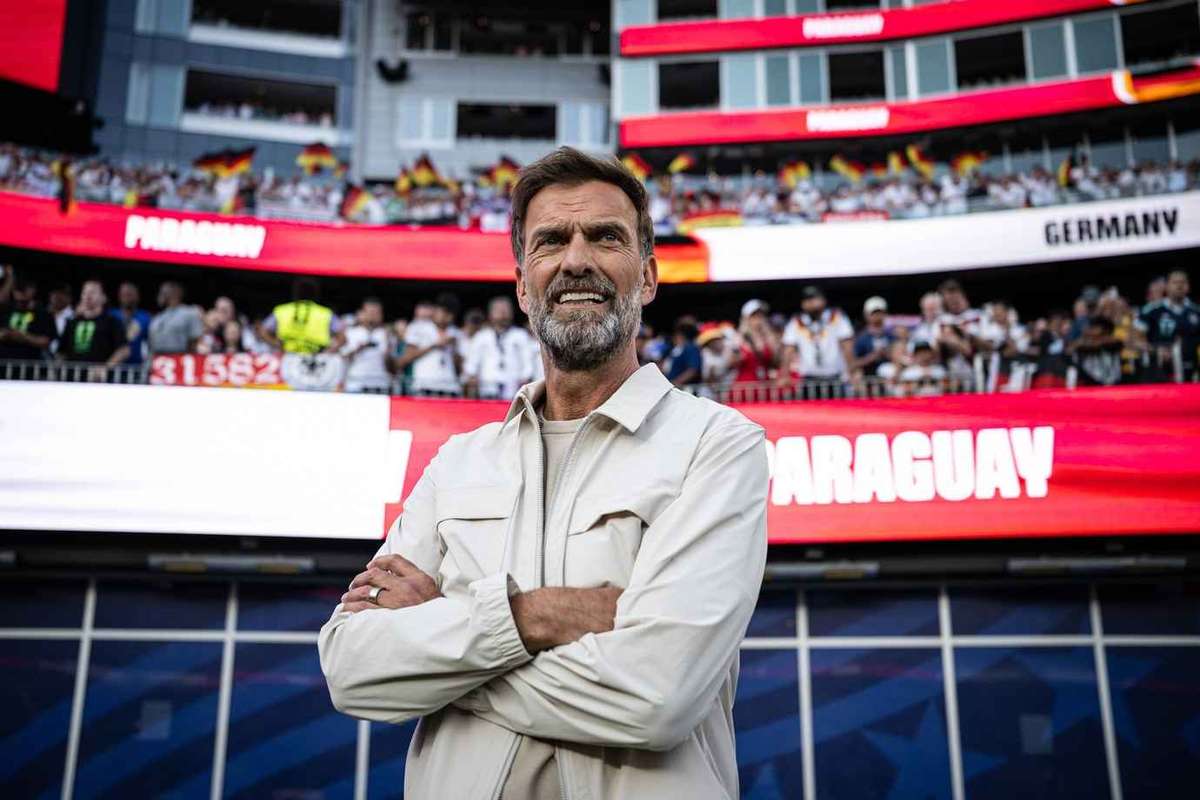
The German national team’s coaching market moved from speculation to structure in a single statement on Friday, when Julian Nagelsmann stepped down as head coach and the federation confirmed it would open formal discussions with Jurgen Klopp. The timing is blunt: Nagelsmann’s resignation arrived just four days after Germany were eliminated in the last 32 by Paraguay, a result that ended a tournament run the staff had framed as a step toward broader renewal.
For a federation that had tied its post-2022 rebuild to a long horizon, the rupture is as much contractual as emotional. Nagelsmann had been under contract through 2028, a commitment that signaled stability after the churn of recent cycles. His departure now forces the DFB to unwind a multi-year plan midstream, with compensation, succession timing, and sporting credibility all on the table at once.
Why the Exit Landed Now
On the record, the federation thanked Julian Nagelsmann for an almost three-year stint and moved quickly to name Klopp as the immediate focus of replacement talks. Off the record, the coaching industry will read the calendar first: a high-profile exit this close to a humbling knockout defeat rarely happens without internal pressure having already peaked.
The Paraguay loss crystallized existing doubts rather than creating them from nothing. Germany controlled roughly three quarters of possession in that fixture, finished with 21 shots to seven, and still went out. That profile — territorial dominance without a decisive edge — has shadowed Nagelsmann’s tenure in critical moments. A team ranked 10th in the world on 1,730.37 FIFA points losing to a side 30 places lower is not merely an upset; it is a governance problem when the coach’s mandate was to prove the project could deliver under stress.
What the Federation Is Buying — and Selling
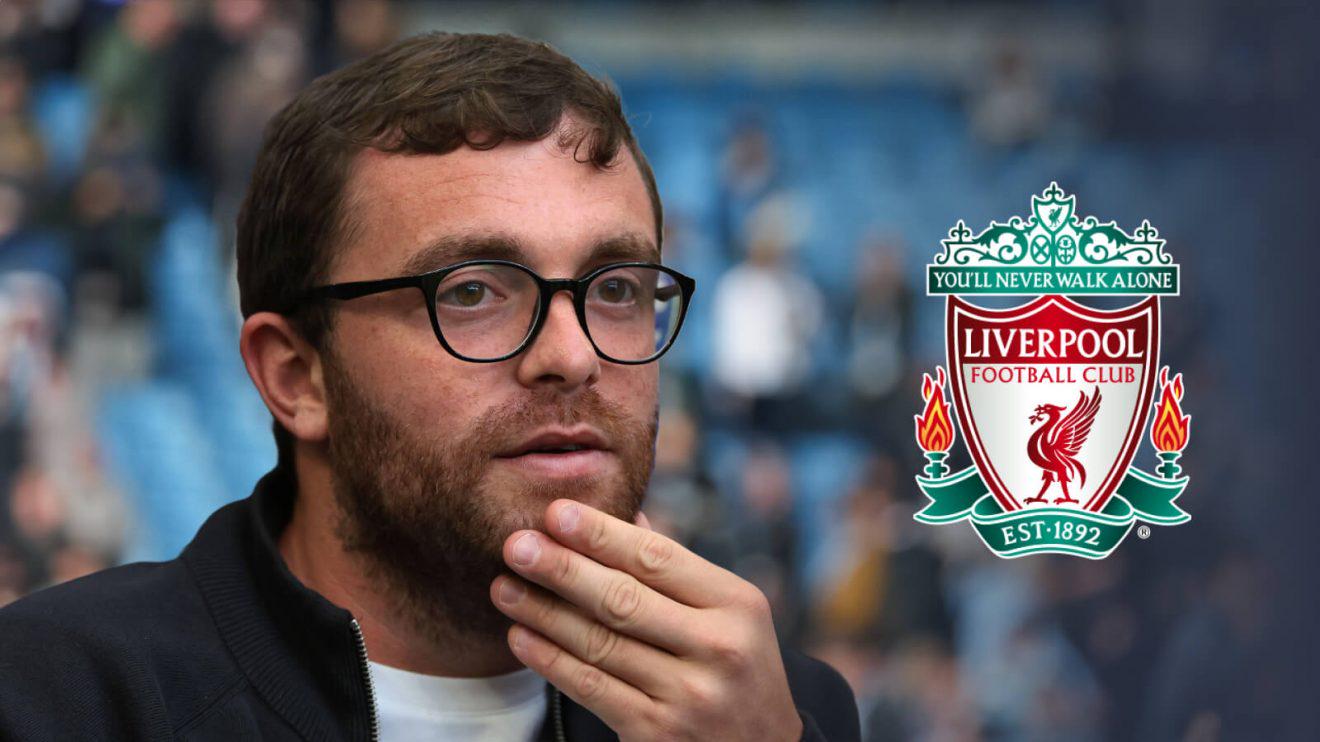
By pivoting straight to Klopp, the DFB is not shopping for a caretaker. It is attempting to convert a crisis into a marquee appointment before the narrative hardens around institutional failure. Klopp’s name carries weight built at Liverpool and Borussia Dortmund, clubs where he fused high-intensity pressing with clear cultural identity — exactly the blend German supporters have demanded since the 2018 and 2022 World Cup disappointments.
That opportunity, however, comes with layered risk.
First, talks are talks. Official contact is materially different from a signed agreement, and Klopp has been away from daily club management since leaving Liverpool. Any return to the sideline — especially with a national team whose competitive calendar differs sharply from club football — requires alignment on staff, player pool access, and how much tactical renovation is realistic before the next major cycle.
Second, the remaining Nagelsmann contract is not a footnote. A deal running to 2028 implies financial and legal consequences the federation has not publicly detailed. In transaction terms, the DFB may be paying twice: once to close the old arrangement, again to fund a premium successor. That squeeze matters for a body that must also fund academy pathways, women’s program growth, and infrastructure commitments.
Third, appointing Klopp does not automatically solve the structural issues exposed against Paraguay. The data from that match — 75% possession, 799 passes at 90% accuracy, 16 corners — describes a team that can arrive in the final third and still fail to convert pressure into elimination-round survival. A new coach inherits that efficiency gap, not just a blank slate.
Klopp as Candidate: Upside and Friction Points
From an insider’s lens, Klopp checks the boxes the market would expect: global profile, proven man-management, and a track record of improving squads that had lost conviction. For German football, his Dortmund years also carry domestic credibility that foreign hires sometimes lack.
The friction points are equally visible. National-team coaching limits daily contact with players, reduces the training-ground repetitions that powered his best Liverpool sides, and places greater emphasis on selection politics within a federation ecosystem. Klopp would need a sporting director partnership he trusts, clarity on whether younger profiles from the under-21 pipeline get accelerated, and a public mandate strong enough to survive the first competitive stumble.
There is also the rumor layer to keep separate from fact. Multiple intermediaries will claim influence over the process in the coming days. Until the DFB announces terms — length, release clauses if any, staff appointments — outside reporting should be treated as leverage noise rather than contract truth.
Nagelsmann’s Ledger After Nearly Three Years
Fair assessment requires splitting results from process. Nagelsmann modernized aspects of Germany’s playing identity and brought tactical ideas that younger coaches admired. Yet tournament exits define national-team jobs, and the Paraguay defeat will headline his exit regardless of league-phase progress elsewhere.
His resignation, rather than a forced dismissal, may soften the federation’s legal exposure and preserve working relationships across the Bundesliga clubs that supply the player pool. Still, the sporting cost is immediate: the staff structure built for his methods must be rebuilt, friendly windows and Nations League preparation lose continuity, and players who had adapted to his voice face another reset.
Market Read: What Happens Next
In the near term, expect three parallel tracks. Legal teams will address the 2028 contract unwind. Sporting leadership will negotiate with Klopp’s representatives on scope, compensation, and timing. Performance staff will audit the Paraguay loss and the wider pattern of chance creation without conversion — because the next coach’s first briefing will center on that dataset, not on press-conference slogans.
If Klopp declines or delays, the fallback market is thinner than the headline suggests. Elite coaches with national-team experience and immediate availability are scarce. A short-list scramble would expose the DFB to second-choice appointments at first-choice prices, the worst outcome in any hiring cycle.
For Germany, the stakes extend beyond one appointment. FIFA ranking stability at 10th masks a broader question: can the federation convert possession-heavy performances into knockout reliability before the next global tournament window closes? Nagelsmann’s exit makes that question urgent. Klopp talks make it expensive. The coming weeks will show whether the federation bought a solution — or only bought time for the next debate.