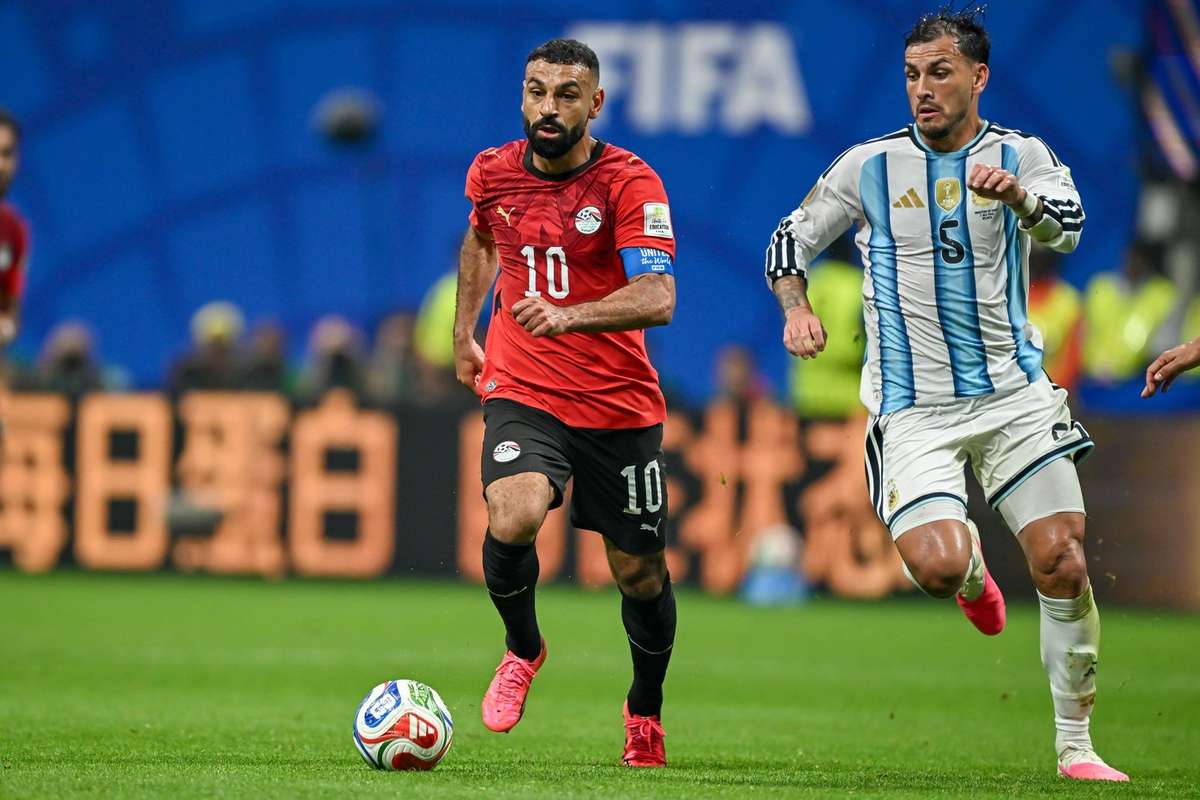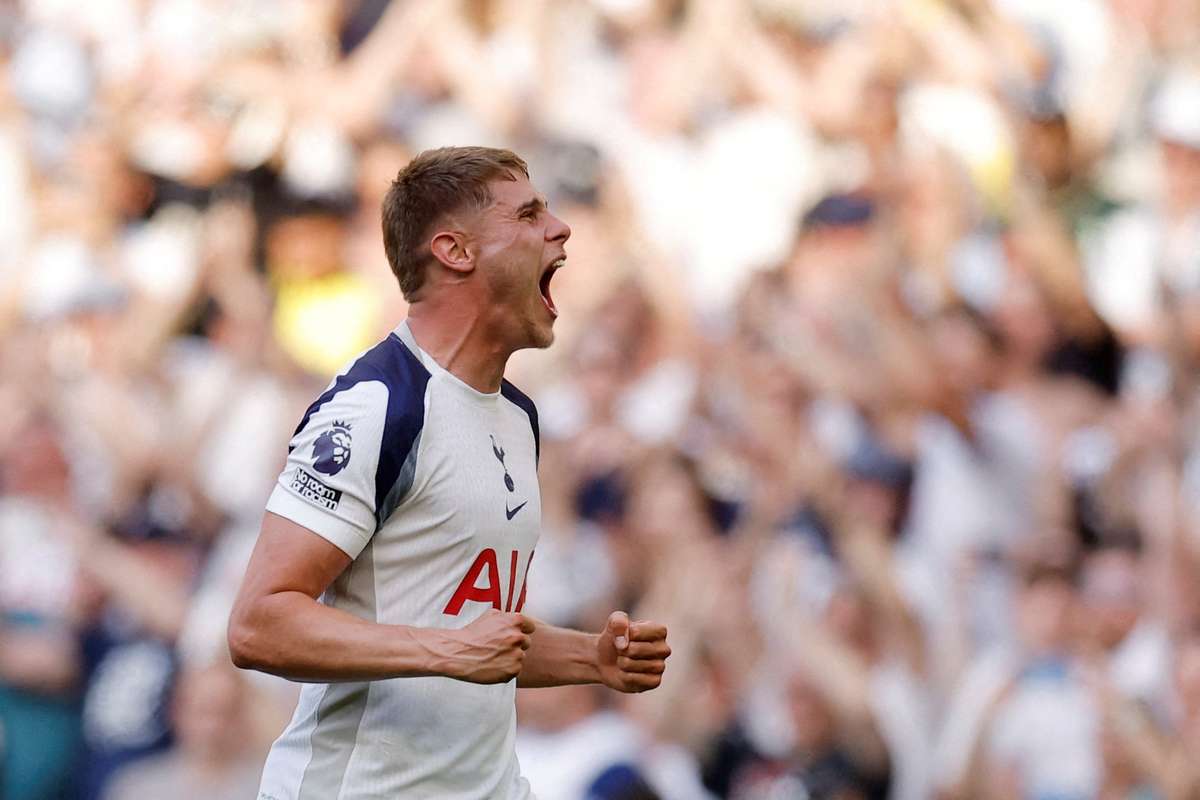



















Enzo Fernandez moved quickly to scrub a celebratory social media post that had become a lightning rod in the hours after Argentina punched their ticket to a second consecutive World Cup final. The Chelsea midfielder, who scored the equalizer in a comeback semifinal win over England, had overlaid a laughing photo of himself and Lionel Messi with Oasis' "Wonderwall" — a song England players and supporters have embraced as an unofficial anthem throughout the tournament.
The post did not sit quietly. Within hours, Fernandez removed it, then returned a stripped-down version of the image without the song attached. The sequence reads less like casual celebration and more like a player — and likely those around him — recalculating the cost of a viral moment.
Semifinal Night: Goals, Gesture, and Immediate Noise
Argentina entered the semifinal as defending champions and left with a place in the final, but not before absorbing a difficult stretch. England took a 1-0 lead in the 55th minute, forcing Argentina to respond under real pressure on the biggest stage.
Fernandez answered first, leveling the match before Lautaro Martinez delivered the winner. His celebration — cupping his hands to his ears after scoring — signaled intent. After the final whistle, the energy did not fade. Fernandez continued to ride the emotion of a night that ended England's run and extended Argentina's.
That emotional high carried straight onto social media. The Wonderwall overlay was unmistakable in its subtext: Argentina had beaten the team whose fans and players had turned the Oasis track into a shared soundtrack of the tournament. For Fernandez, the post looked like post-match release. For others, it looked like provocation at scale.
Why the Wonderwall Layer Landed the Way It Did
Context matters here, and it is not complicated. "Wonderwall" has followed England through the World Cup as a cultural through-line — sung in stadiums, shared in clips, repeated after wins. Layering that song onto an Argentina celebration photo was never going to be read as neutral.
The backlash arrived predictably. Critics framed the post as unnecessary needle in a tournament already thick with rivalry and narrative. Supporters of Fernandez argued it was standard modern-player behavior — immediate, unfiltered, tied to the moment.
Both readings can coexist. What changed the story was not the debate itself but the deletion. Removing the post, then republishing the image without audio, suggests someone in Fernandez's circle recognized that the original version carried reputational weight beyond the locker room.
Reputation Risk in a Global Window
From a market-facing perspective, this is the kind of episode that rarely affects match performance but can affect everything around it. Fernandez carries a high-profile club contract, commercial visibility, and a national-team role that magnifies every public move.
A deleted post is not a crisis. It is, however, a data point. Players at this level are evaluated not only on technical output but on whether their public behavior creates unnecessary friction — with opponents, with media cycles, with sponsors sensitive to cross-border sentiment.
The quick reversal implies awareness of that ledger. Whether the lesson sticks through the final is another matter entirely.
Spain Arrive as the Consensus Pick Among Former Winners
While Fernandez managed the fallout of one night online, the conversation on the pitch has shifted toward whether Argentina can repeat as champions against Spain. Several high-profile former players have already leaned toward La Roja — not because they dismiss Argentina, but because they see structural advantages in how Spain have built their tournament.
John Terry, who attended both semifinals, stated plainly that he views Spain as favorites. His reasoning was tactical rather than sentimental. Both finalists, he noted, are comfortable in possession. The difference, in his read, is how each side creates danger.
Argentina's semifinal against England, Terry argued, flowed repeatedly down the right through Messi. Attempts to switch play left often snapped back right. That is not necessarily a flaw — it reflects where Argentina's greatest threat lives — but it becomes a problem if the opponent can predict and compress that channel.
Spain, by contrast, impressed Terry with their balance, particularly down the left. He pointed to Marc Cucurella's influence in the first semifinal and suggested La Roja present a more diversified attacking profile at exactly the moment Argentina look somewhat dependent on one corridor of creation.
Defensively, Spain's case is stronger still. Terry highlighted their ability to shut out France in the semifinal and their broader record of conceding little across the tournament. In a final likely to be decided by fine margins, that defensive foundation matters.
Souness: Respect for Argentina, Edge to Spain
Graeme Souness offered a similar split verdict. He called the final difficult to predict and emphasized that Argentina's identity — competitive, disruptive, willing to drag opponents into uncomfortable rhythms — remains real.
At the same time, Souness echoed the view that Spain may simply have too much across 90 minutes. His analysis stopped short of declaring the match settled, but the tone aligned with a broader pundit drift: Argentina are dangerous, yet Spain look like the cleaner bet on paper.
That framing creates an awkward backdrop for Fernandez. The same player who briefly owned the social media cycle after beating England now heads into a final many observers expect Argentina to lose.
Argentina's Counterargument Is Experience, Not Consensus
Tournament history argues against writing Argentina off. They have repeatedly found paths through tight matches in this World Cup, and possession of Messi remains the most destabilizing variable in the sport.
Terry acknowledged as much. He praised Argentina's grit against England — the collective response after tackles, the willingness to inject friction, the sense of a group that protects itself publicly and privately. Those traits travel. They do not, by themselves, guarantee another title.
The central tension for Argentina is familiar to defending champions: the emotional cost of survival matches can leave scars, while the opponent arriving with momentum and defensive credibility looks refreshed by comparison.
Fernandez embodies both sides of that tension. He delivered when Argentina needed a goal in the semifinal. He also supplied the kind of off-field noise that can distract from preparation if allowed to linger.
Risk Layering: What We Know, What We Hear, What Could Shift
Confirmed
Argentina defeated England to reach the final. Fernandez scored the equalizer. He posted, deleted, and reposted social content tied to Wonderwall. Spain advanced and enter the decider with strong defensive credentials and broad tactical praise from former elite players.
Reported / Interpreted
The original Wonderwall post drew significant backlash online. Fernandez or his team acted quickly to limit exposure by removing the audio overlay. Terry and Souness, among others, favor Spain based on tactical balance and defensive form.
Speculative
Whether the social media episode affects Fernandez's mindset or dressing-room focus is unknown. Whether Argentina's right-side reliance can be exploited by Spain's left-sided strength is plausible but not predetermined. Whether Messi can once again override structural disadvantage in a final is the eternal unknown — the reason Argentina remain live despite skeptical consensus.
Final Read
Fernandez's deleted post will not decide the World Cup. It does illustrate how quickly modern players can convert on-field triumph into off-field volatility — and how fast that volatility gets priced into public perception.
Argentina return to a final as reigning champions with proof they can suffer and respond. Spain arrive with the cleaner tactical portfolio and the louder pre-match endorsements from experienced observers.
The safe professional move for Fernandez was the one he eventually made: remove the provocation, keep the celebration, move on. The harder task awaits on the pitch, where no edit button exists and the margin for error against Spain may be thinner than it was against England.