

















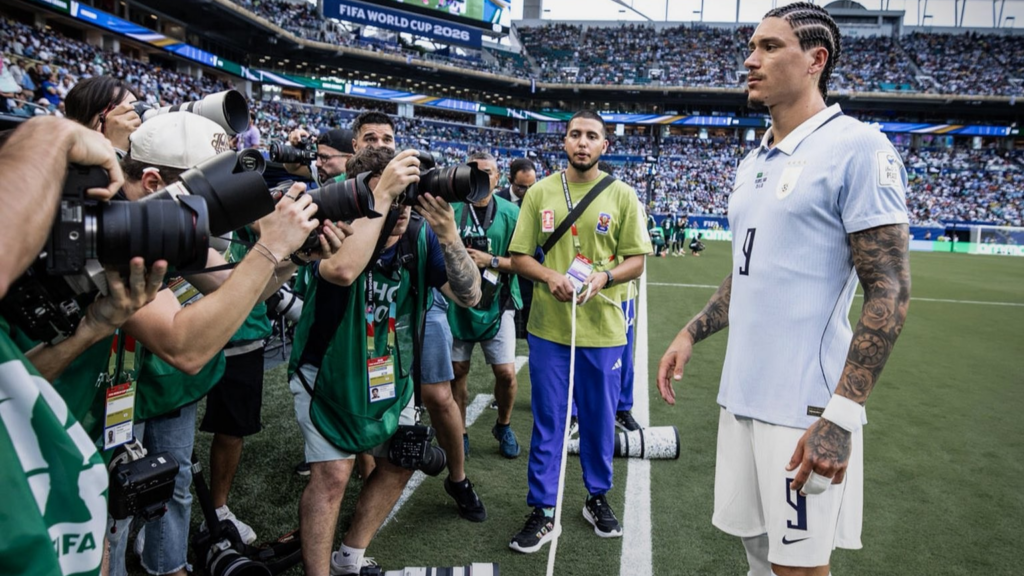
According to information at our disposal, in the second matchday of Group H at the 2026 FIFA World Cup, Uruguay and Cape Verde will meet at Hard Rock Stadium in Miami Gardens, USA. This is the first meeting between the two sides on the World Cup stage. Both teams remained unbeaten in the opening round, but the character of their matches could not be more different—one side created threats through possession and wing pressure, while the other held the line with a low block and counter-attacking opportunities.
Matchday context and venue
This match is a key fixture on Group H's second matchday. Hard Rock Stadium, which seats 65,326 spectators, has long been the stage for high-intensity battles. Miami sits on the US East Coast, where temperatures and humidity run high in late June, adding an extra test to both sides' energy management and substitution patterns. As the 2026 World Cup is jointly hosted by the United States, Canada, and Mexico, with the US among the co-hosts, tournament organization and the home atmosphere have steadily settled into a stable rhythm. For these two non-host nations, this remains a demanding clash in a largely neutral setting, and the points on offer carry full weight.
Uruguay: Dominant possession, finishing efficiency the weak link
Head coach Bielsa deployed a 4-4-2 in the opening round, stressing width and deliveries from wide areas. The numbers tell the story of Uruguay's overwhelming control: 67% possession, 540 completed passes out of 612 (88.2% success rate), 27 shots with 10 on target, plus 14 corners and 47 crosses, and they also hit the woodwork. Yet this vast attacking output produced just one goal, and a defensive lapse led to a conceded goal—a textbook case of dominating without converting.
Recent form trends are equally worth noting: in four of Uruguay's last five matches, total goals stayed under 2.5; they are unbeaten in three but have not won in five. That points to lingering systemic issues in converting the final pass and finishing in front of goal. If they continue to rely on high-volume crosses in the second round without improving shot accuracy, fatigue and growing frustration could both intensify when facing a deep, compact defense.
Cape Verde: Low Possession, High Interceptions — Defensive Resilience Is the Calling Card
Under Bubista, Cape Verde lined up in a 4-2-3-1 in the opening round, with a midfield shield and a solid back line at the heart of the setup. Despite holding just 26% possession and managing only six shots with one on target, the team recorded 46 clearances, 18 tackles and 15 interceptions, keeping a clean sheet under pressure from 27 opponent attempts. Unbeaten in four and without conceding in three, their defensive consistency and discipline have already been proven.
This "surrender possession, protect space, strike on the break" approach stands in direct contrast to Uruguay's wide pressing. The key for Cape Verde is not whether they can replicate 26% possession, but whether they can stay compact under Uruguay's sustained crosses and corner barrage, and raise the quality of the final touch when counter-attacking windows open.
Refereeing Standards and Match Tempo
Norwegian referee Espen Eskås will take charge. Across 323 matches officiated, he averages around 3.4 yellow cards per game, with 15 straight reds and 24 second-yellow dismissals in his career. If the match devolves into end-to-end transitions and heavy midfield battling, his whistle and pace management will directly shape how both sides execute their plans — Uruguay must avoid picking up cards during sustained wide raids, while Cape Verde need to curb fouls that hand their opponents set-piece chances.
Tactical Matchups and Group Standings Implications
From the opening-round data, this match is likely to set up a structural clash of siege against a deep block: Uruguay will keep using width to generate crosses and corners, while Cape Verde will rely on a low block and quick transitions to find openings. If Uruguay still cannot convert effectively inside the box, their Group H target of winning and taking three points will remain out of reach; if Cape Verde can take points on the road, it would greatly strengthen their control over qualification from the group.
Our read is that Uruguay’s breakthrough will not come from simply increasing cross volume, but from improving second-ball handling in the box and adding a greater long-range threat, forcing Cape Verde’s back line to step up and creating space for the wide players to cut inside. Cape Verde, meanwhile, need to keep fouls down, cut down the set pieces and corners they concede, and improve their finishing in limited counterattacks. Behind their one shot on target and clean sheet in the opener lies a mix of efficiency and fortune that will be hard to replicate fully in the second round.
The result of Matchday 2 will directly reshape Group H: a Uruguay win would put them back in the driving seat for qualification; another draw would leave the group even more finely poised. If Cape Verde pull off an upset and take points, their low-possession, counter-attacking model could become a defining template of this World Cup group stage. The key pre-match watchpoint is whether Uruguay can turn their possession edge into genuine threat within the first 15 minutes after kickoff at Hard Rock Stadium, and how Cape Verde’s clearances and transitions hold up under heavier pressing after their clean sheet in the opening round.