





Round 2 of the 2026 FIFA World Cup Group E is in the books, and Germany, Ecuador, Côte d'Ivoire and Curaçao have delivered a group-stage report card that captures the best this tournament has to offer—goal feasts, hard-fought grinds, impact substitutes and tactical chess all taking turns in the spotlight. From what we understand, the picture in this group is already complex enough: the top spot is largely settled, but the race for qualification still has room to shift, and any lapse in the final round could rewrite the script.
Group E Round 2: Why It Became the "Benchmark Group"
Look at the makeup of the group: Group E brings together a traditional powerhouse, an African contender, a solid South American side and a team making a first or rare World Cup appearance—naturally setting up a narrative of mismatched strengths and clashing styles. After round two, Germany have eased their qualification pressure with back-to-back wins; Côte d'Ivoire showed tactical discipline in a pivotal fixture as they push for a first-ever World Cup knockout berth; Ecuador and Curaçao remain fighting for survival or pride. For casual fans, understanding Group E starts with the World Cup group-stage qualification rules: the top two in each group advance, with ties broken in order by goal difference, goals scored and other tiebreakers—meaning the final round is about more than wins and losses; margins and head-to-head records matter too.
Germany: Top Spot Secured, but Defensive Alarm Bells Are Ringing
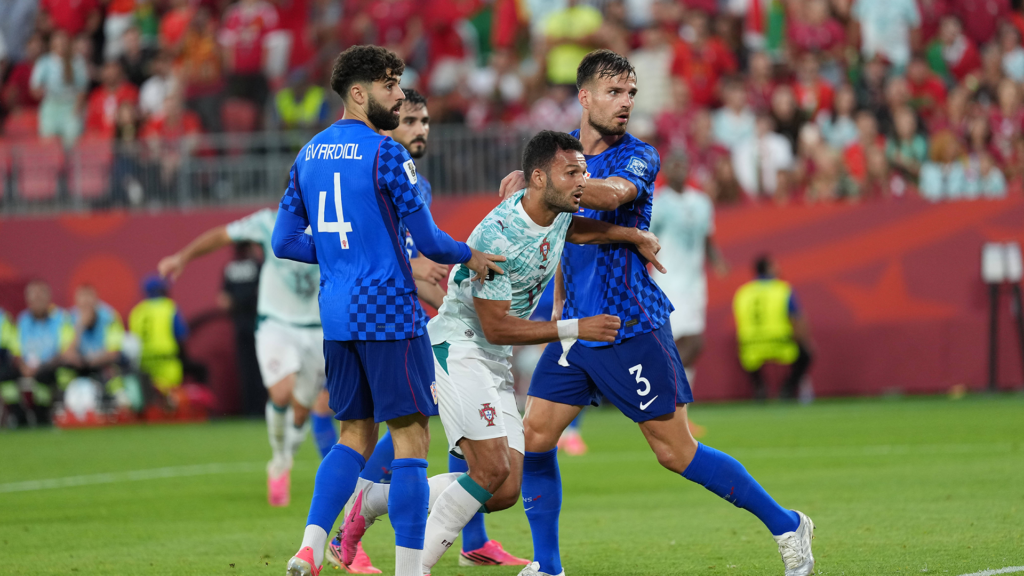
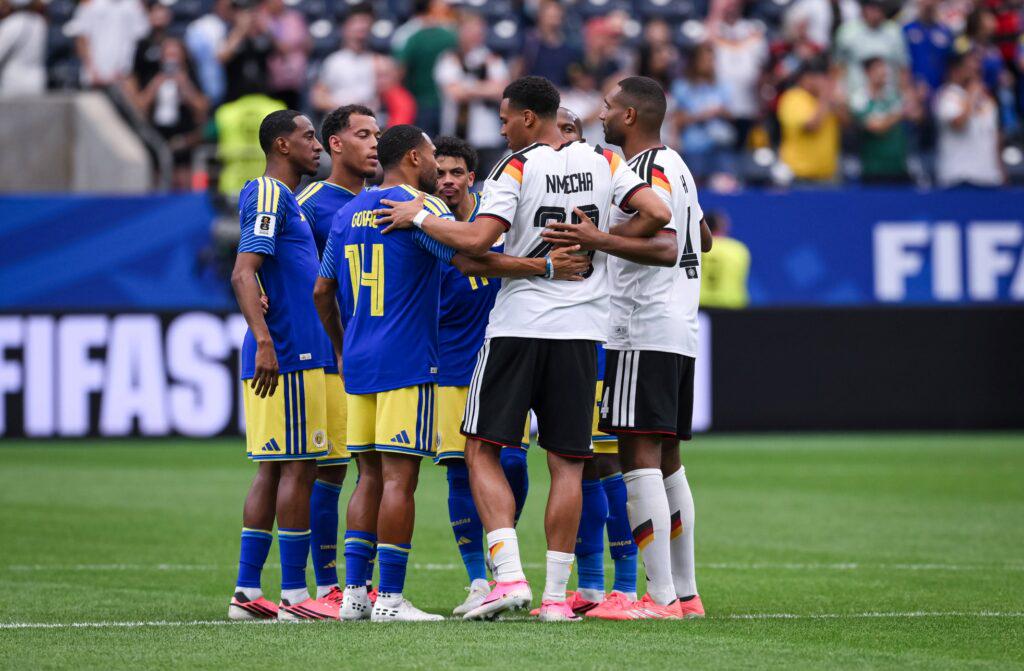
Germany are the only side in Group E with zero qualification uncertainty. They opened with a 7-1 rout of Curaçao, showcasing attacking firepower and control; in round two against Côte d'Ivoire, they still got over the line thanks to squad depth, but it was far from a stroll—their opponents put the Germans through a genuine test of intensity.
What is worth noting is that Germany's defensive frailties were magnified in Round 2. Against Ivory Coast, the back line's tendency to make errors was already quite evident; in fact, similar warning signs had surfaced in the first 20 minutes against Curaçao. When the level of opposition rises, any lapse from set pieces, slow recovery runs, or inadequate protection of second balls can be amplified into a fatal cost. For a team aiming to go further, two straight wins may look impressive on paper, but a "perfect start" does not equal "perfect form."
Injury Concern: Impact of Schlotterbeck's Absence
Germany received another piece of unwelcome news: center-back Nico Schlotterbeck suffered an injury. The full diagnosis has yet to be released, but frontline reports indicate he is highly likely to miss the remainder of the tournament. For a back line that was already showing cracks, this amounts to losing an important rotation option and stabilizer at a critical juncture. Though Germany face no points pressure in the final group-stage match, how Julian Nagelsmann maintains rhythm without overreaching while testing alternative defensive combinations will be a practical challenge — one that directly bears on whether they can take the knockout stage opener at full strength.
Nagelsmann's Trump Card: Undav Changed the Game
If Germany's Round 2 victory had a defining tactical storyline, the protagonist was undoubtedly substitute Deniz Undav. When the starting stars failed to fully break the game open, Nagelsmann did not wait passively — he played his trump card early, sending Undav off the bench to shift the attacking tempo. Undav eventually scored a brace, demonstrating in tangible terms that Germany's competitiveness is written not only on the starting XI sheet but also in the depth of the bench and the manager's ability to read the game in the moment.
From a leadership standpoint, this choice sends a clear signal: Nagelsmann is willing to absorb the public scrutiny that comes with “change the system and get instant results” on the World Cup stage, and is more inclined to answer doubts with data and outcomes. For German fans, Undav’s breakout is a short-term boost; for the team’s long-term trajectory, it means that when opponents start targeting core players like Wirtz and Musiala, Germany still has second and third attacking outlets. The question is whether this route can keep working under heavier pressure in the knockout rounds—that still needs to be proven in the final group game and, potentially, the Round of 16.
Ivory Coast: A Blueprint for Breaking Deadlocks Through Discipline and Patience
Ivory Coast are contesting their fourth World Cup; all three previous attempts ended without escaping the group stage. Against Ecuador in the second round, they produced a classic “mature African powerhouse performance”—not charging into reckless open play, but wearing opponents down with tactical discipline, waiting patiently for openings, and finishing with ruthless efficiency. For a side long tagged as “overflowing with talent but short on detail,” this style itself reflects the will of the management and coaching staff: they know that at a World Cup, securing three points matters more than looking good on the eye.
Amad Diallo: The Decisive Blow
The most decisive individual in this match was Amad Diallo. In his own way, he snatched three points for the Elephants and pushed the team into position to “potentially reach the knockout stage for the first time in their history.” Diallo’s value goes beyond the goal itself—he gives Ivory Coast the license to unlock tight games and makes opponents think twice about pressing too high in defense. For Ecuador, being punished so efficiently means they must rework the qualification math heading into the final round.
Final-Round Watch: Qualification Math and the Mind Game
The central drama in Group E’s final round will hinge on who finishes second and on goal difference and goals scored across the group. Germany are under no pressure, but whether they rotate—and how heavily—could still shape the mindset and tactical choices of their rivals. If Côte d’Ivoire maintain the discipline they showed in the second round, they still have a chance to turn their dream of a first-ever knockout-round appearance into reality; Ecuador need to strike a balance between efficiency in midfield and attack and defensive stability; and Curaçao must try to close the gap in a dead-rubber fixture and prevent their goal difference from slipping further.
From our editorial perspective, the real lesson of Group E’s second round is not how shocking any one scoreline was, but that World Cup group stages always run on two parallel tracks—one for points and qualification, another for form and warning signs. Germany have already won on the first track, but issues at the back and in the treatment room have flashed a yellow light on the second; Côte d’Ivoire, by contrast, are trending upward on both. After the final round, this benchmark group may well carry its suspense all the way to the knockout threshold.