









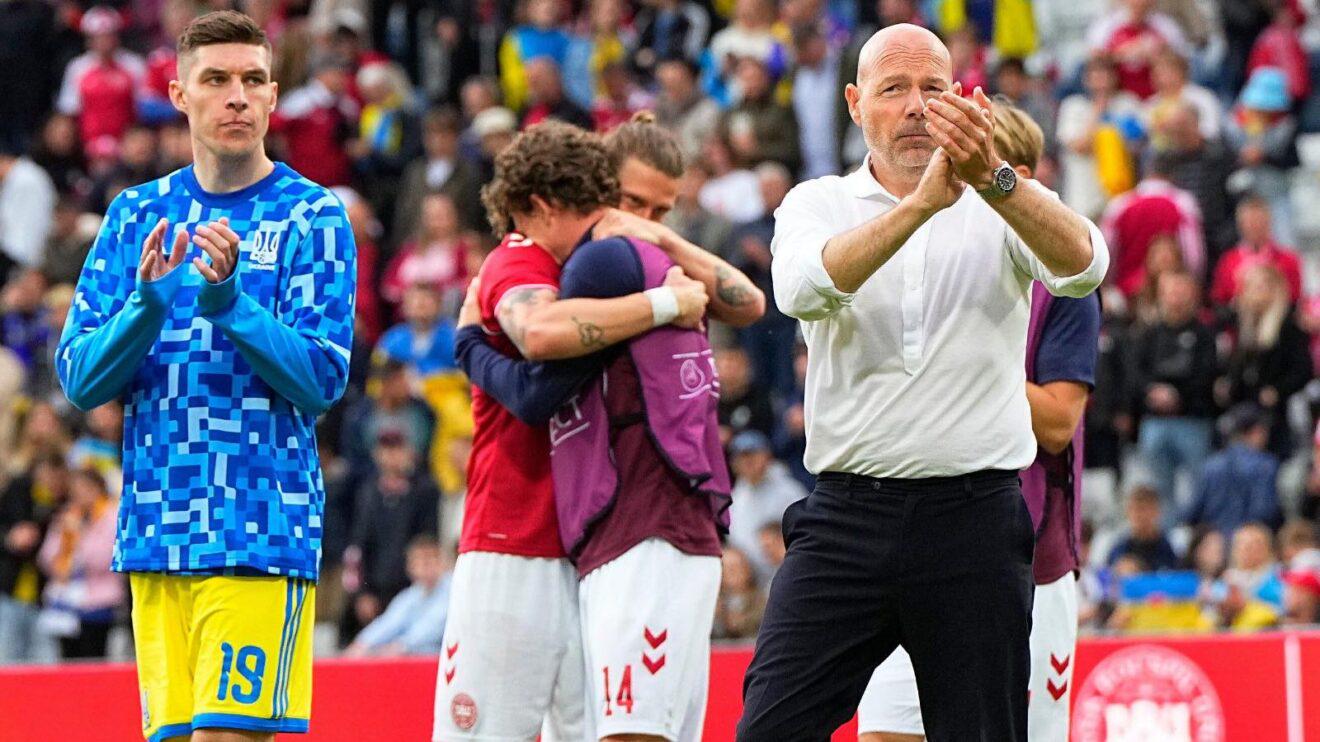
Denmark's friendly against Ukraine at Nature Energy Park in Odense was brought to an abrupt halt in the 65th minute — midfield star Christian Eriksen collapsed once again, and the entire stadium fell silent. After extended on-pitch treatment from the medical team, the Denmark international, now at Wolfsburg, regained consciousness and walked to the ambulance escorted by players from both sides. The Danish FA subsequently confirmed that Eriksen was "conscious and in good condition given the circumstances."
A chilling repeat, five years on
The scene was eerily reminiscent of the cardiac arrest suffered during Denmark's Euro 2020 clash with Finland in June 2021, only this time the outcome was far less uncertain. Eriksen, then 33, had collapsed suddenly at Parken in Copenhagen, underwent CPR and was rushed to hospital after his heart stopped — an episode that nearly claimed his life. Following the implantation of a defibrillator pacemaker, he returned to action within eight months, featuring for Brentford and Manchester United before moving to Bundesliga outfit Wolfsburg this season — his career continuation demonstrating that professional players with implanted devices are not necessarily forced to say goodbye to the pitch.
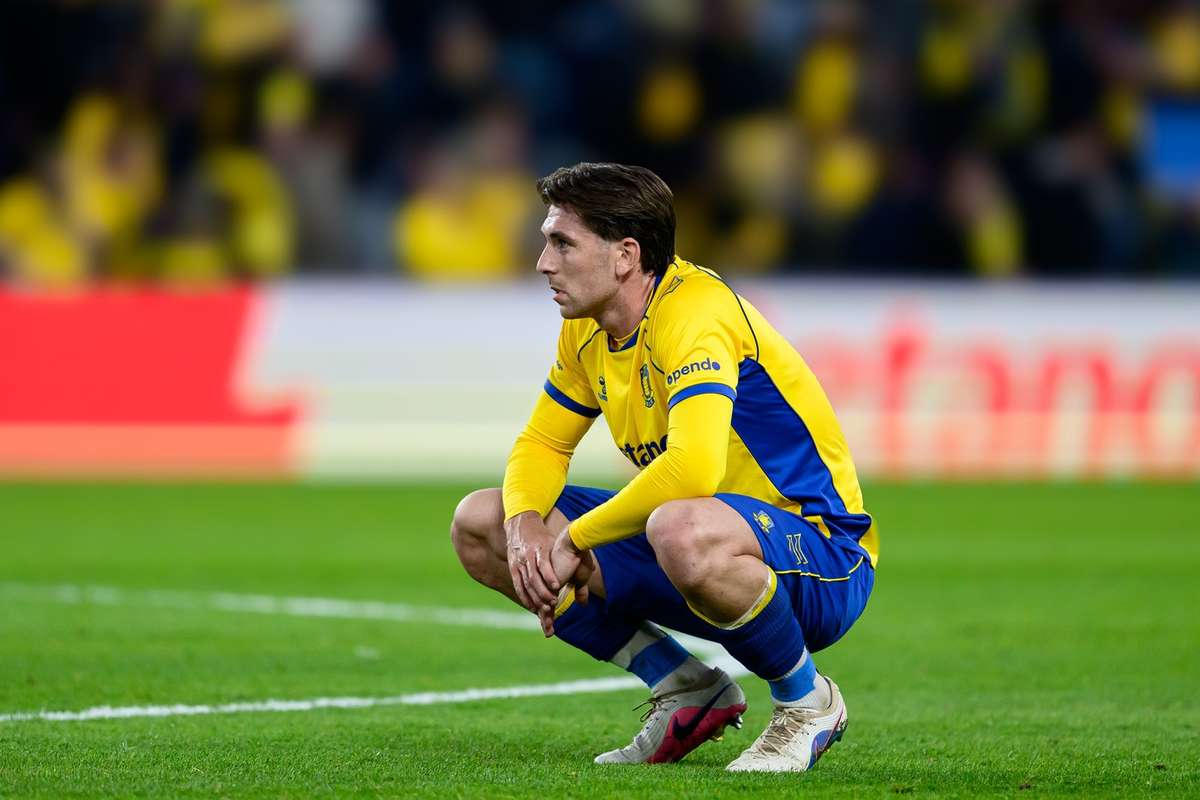
Sunday's replay was just as distressing to watch. Television cameras showed Eriksen pressing his hand to his chest before dropping to the grass. Danish and Ukrainian players swiftly formed a protective circle around him as medics sprinted onto the field. Supporters in the stands chanted his name in encouragement. After receiving treatment, Eriksen got back to his feet to a standing ovation from the crowd — former international and current TV2 pundit Nicklas Bendtner, speaking through tears, said the footage was "absolutely terrifying and overshadowed everything else that happened that night," adding that as a close friend, seeing the same situation unfold for a second time was "simply dreadful."
Match abandoned and the situation on the day
At the time of the incident, the FIFA A international friendly in Denmark had already entered the second half. According to match records on the site, Ukraine were playing as the away side, trailing 1-2 in a 4-2-3-1 formation; statistically, they had three shots, two on target, 46% possession, 274 passes and an 84% pass completion rate. Those numbers captured the rhythm of the game: Denmark held a measure of control, Ukraine still carried a counter-attacking threat, but everything was brought to a halt when Eriksen went down. The referee immediately abandoned the match, players from both sides escorted Eriksen off the pitch, and an ambulance took him to Odense University Hospital for further examination.
For Ukraine, this friendly was meant to be an important tune-up in their 2026 preparation cycle. The team are currently ranked 32nd in the FIFA rankings, down two places from the previous edition with 1,546.88 points; in recent months they have lost 0-2 and 1-3 to France and Sweden respectively, beaten New Zealand 2-1, and remain very much a work in progress. However, all tactical discussion that evening was completely drowned out by the medical emergency on the pitch.
The Pacemaker Became the Line Between Life and Death
Danish cardiologist Henning Moergaard was unequivocal in an interview with BT: "His pacemaker did its life-saving job." He noted that patients with implanted pacemakers already have the corresponding indications; for someone like Eriksen suffering a sudden episode on the pitch, timely pacemaker intervention is not uncommon. "This could absolutely happen again. We have seen it in many ordinary people—they may only have mild, hard-to-detect heart issues, and when cardiac arrest strikes again, the pacemaker kicks in." Moergaard stressed that whatever the underlying cause in Eriksen's case, risk management for professional players competing with such devices must be built on the realistic expectation of "possible recurrence," not on one-off luck.
After the 2021 incident, Eriksen was fitted with an implantable cardioverter-defibrillator, which can automatically deliver shocks or provide pacing when a life-threatening arrhythmia is detected. Sunday's collapse once again brought into focus a pressing question: how should professional football's push against the limits of the human body be balanced against the eligibility of athletes competing with implanted devices? The Danish FA and medical team have yet to release the specific cardiac diagnosis from this incident, but the assessment that "the pacemaker did its job" at least indicates the device performed its designed function at the critical moment.
Next Steps and Historical Context
The Danish FA announced that Eriksen remains under hospital monitoring but is expected to be discharged later that day to begin his planned vacation as scheduled. The news brought a collective sigh of relief across the global football community — compared with five years ago, when prolonged rehabilitation and repeated assessments on a possible return were required, this time the sequence from collapse to walking off under his own power to official confirmation of full consciousness was markedly faster, reflecting how much emergency protocols and players' personal medical contingencies have matured over the past five years.
For Eriksen personally, at 34, this "second" chapter of his career demands far greater mental resilience than the first. In 2021, the world watched Danish teammates form a protective wall around him, fans fall silent, and then celebrate his triumphant return; in 2026, he collapsed again during a friendly on home soil but was still able to get to his feet and acknowledge the crowd. Wolfsburg, the Denmark national team, and FIFA's relevant medical protocols will all face renewed scrutiny: whether to adjust monitoring frequency for players with implanted devices, tighten pre-match assessment standards, and rethink workload management for high-intensity friendlies.
Ukrainian and Danish players jointly escorting Eriksen off the pitch was one of the few genuinely moving scenes of the night. In that moment, football took a back seat; life came first. For those following the story, attention now turns to whether the Danish FA and Odense University Hospital will release more detailed medical information, and whether Eriksen can stick to his planned club and international appearances after his vacation ends — until the full facts are known, any speculation about the end of his career or an immediate return should yield to the medical team's final judgment.