





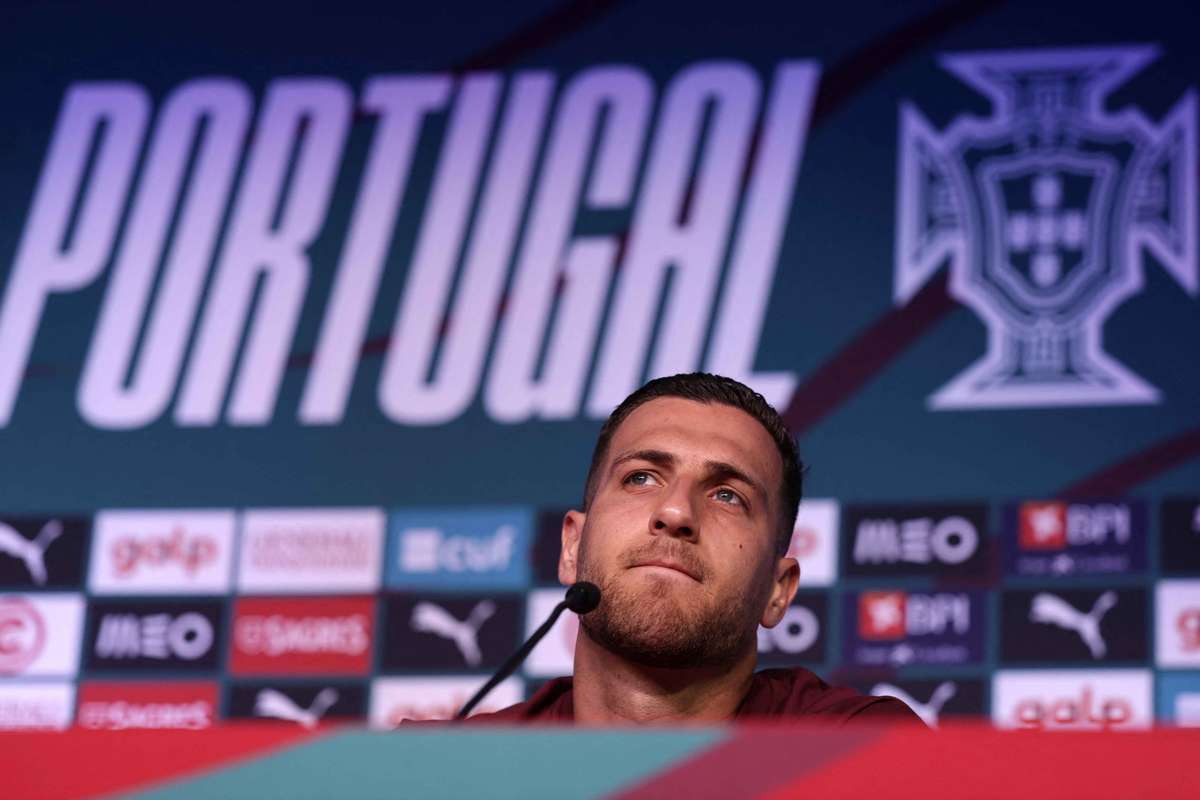
Portugal were held to a 1-1 draw by the Democratic Republic of Congo in the opening stage of the 2026 FIFA World Cup, turning what had been billed as a dream start into a social media firestorm. Right-back Diogo Dalot did not duck questions from reporters after the match, firing back at outside criticism and shifting the focus to the dressing room—this squad needs to stick together more than it needs a result right now.
After the Draw, Noise Came First
According to our information, the 48 hours after Portugal's draw with Congo were hardly easy for the players. Dalot was blunt: it was "a few very tough days." Online questioning and attacks targeting the team, individual players, and Cristiano Ronaldo in particular had already flooded social media before Tuesday's clash with Uzbekistan. Dalot did not play ignorant—criticism would come, he knew that—but the message on the pitch had to be stronger too: "Countless people want Portugal to win, and some people do not want Portugal to win."
At 27, Dalot has spent years in professional football and knows the media cycle well. He divides criticism into two types: emotional venting and constructive feedback worth hearing. Portugal's message to the outside world now boils down to one sentence: "We are united, we are tough, and we are ready to do whatever it takes to win." As for who those people are who "do not want Portugal to win"? Dalot deliberately kept his cards close, naming no names and handing opponents no ammunition. His job was clear: play, and prove with his performances that the draw had not broken this team apart.
Sixth World Cup, Ronaldo Still in the Eye of the Storm
After the Congo game, outside scrutiny still landed first on Cristiano Ronaldo. This is his sixth World Cup, and the start has fallen short of what some fans expected from a legend—making the questioning all the more cutting. Dalot chose to stand by his teammate: the entire squad knows how Ronaldo handles criticism; at the highest level, pressure is not an unexpected variable but part of the daily routine.
"Our view of him hasn't changed." Dalot's line was short, but it carried real weight. It signaled that Portugal's dressing room wasn't conflating his opening-game performance with his place in national team history. Ronaldo is still regarded as someone who can stand up for the country whenever needed—that isn't empty PR, but an internal consensus the squad needs to preserve at the center of the storm. For a team with title ambitions, when a star player faces a media onslaught after the opener, it often tests the leadership of management and senior players even before the result itself does.
Social Media Shutdown: Portugal's "Noise-Reduction Experiment"
What deserves more attention is the team strategy Dalot outlined. Before the World Cup, Portugal had already held dedicated talks about social media and online criticism. With a figure like Ronaldo generating massive attention, the team faces far more than ordinary post-match fan takes—it faces atypical noise amplified many times over. Dalot didn't expand on dressing room details, but the takeaway was clear: players were actively insulating themselves from criticism on social media during the tournament.
From a mental preparation standpoint, this isn't evasion but locking attention onto controllable variables—training, tactics, the next opponent. With the World Cup hosted across the United States, Canada and Mexico, the schedule is grueling, travel is draining, and media exposure is magnified in tandem. Any favorite that lets online sentiment penetrate the dressing room risks losing momentum as early as the group stage. Portugal's decision to cut off external noise immediately after the opening stumble is essentially about reclaiming control of the rhythm.
An Early Fall May Not Be a Bad Thing
Dalot also pointed to a perspective that's often overlooked: the earlier a setback comes, the easier it is for a team to kill the "collapse narrative" in the group stage. A 1-1 isn't ideal, but if Portugal need to reset, fine-tune details and align messaging at this World Cup, hitting a wall in the opening phase is a better deal than having problems surface at the knockout door. For Portugal, the draw with DR Congo looked more like an early warning than a script for an early exit.
Next up, Portugal face Uzbekistan on Tuesday. That will be the first real test of whether the “block out the noise, strengthen from within” approach actually holds up. Dalot has already set the tone for the entire squad: the criticism can come, but Portugal’s hunger to win must not fade. As for whether Ronaldo can answer his doubters with a performance in the next match, and whether the team can turn the flat atmosphere after the draw into a tighter rhythm in attack and defense—those answers will be written on the pitch, not fought out in the comments section.