

















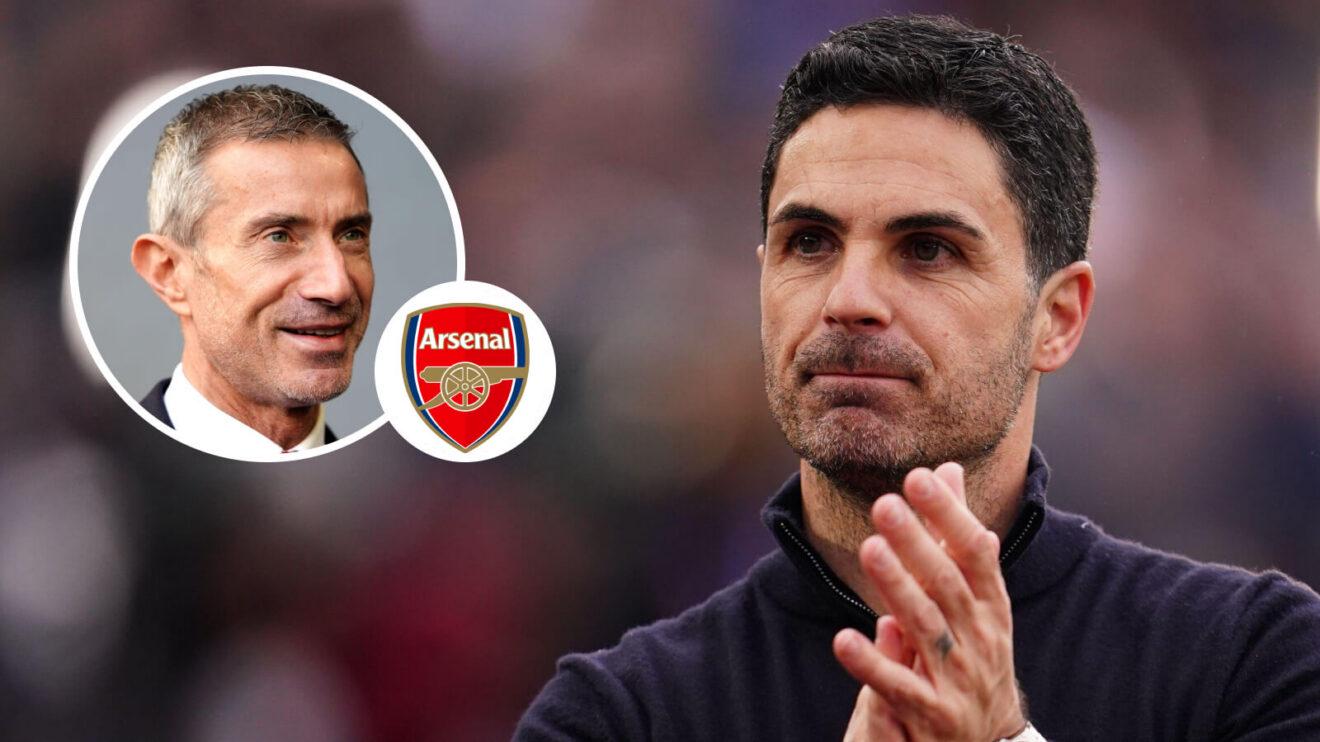
Arsenal sporting director Andrea Berta has identified four primary right-back targets for the summer transfer window. Despite the Gunners having just won the Premier League and fallen short on penalties against Paris Saint-Germain in the Champions League final, the hierarchy still plans to keep upgrading the squad—with right-back among the highest-priority positions.
The Reinforcement List Behind the Title Celebrations
On Sunday, Arsenal marked their Premier League triumph with a champions' parade through North London; a day earlier, they had lost to Paris Saint-Germain in a penalty shootout in the Champions League final. That outcome of "domestic glory, European heartbreak" has not changed the club's transfer direction—according to The Athletic, Berta wants to add players in four positions: right-back, defensive midfield, left wing, and centre-forward.
The finances support that ambition as well. Journalist David Ornstein reported last week that the Gunners are in "excellent financial shape," with a summer budget still expected to be substantial. For a club coming off a successful season, this looks more like fitting the final pieces into an existing framework than tearing everything down and starting again.
Why Right-Back Has Become the Focus
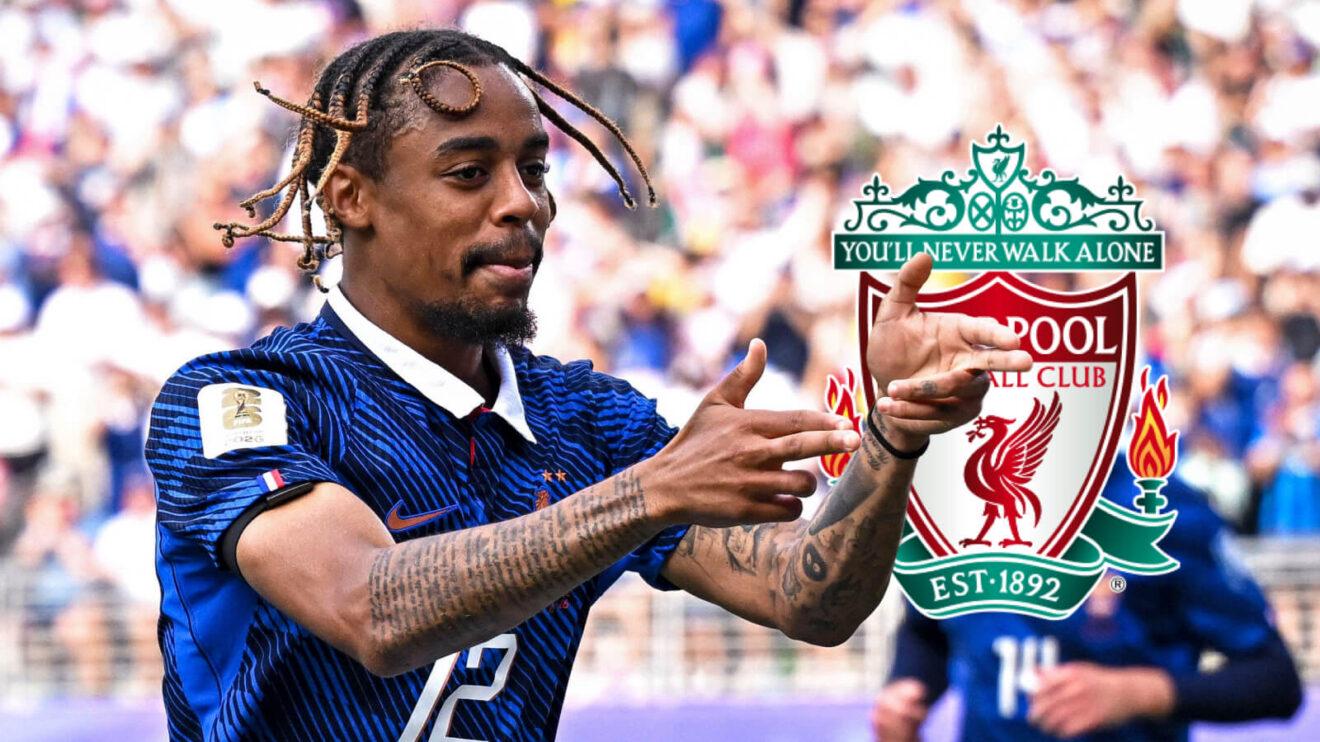
Netherlands international Christian Mosquera filled in at right-back on several occasions this season while first-choice Jurriën Timber was unavailable, but his overall performances have not matched Timber's consistency—one of the direct reasons Arsenal must sign another right-back. Timber himself has been in fine form, yet the high-intensity rotation demands of the Champions League final already exposed a lack of depth behind him.
From an efficiency standpoint, the right-back in Arsenal's modern system is expected not only to defend but also to provide width and carry the ball forward. Timber ticks both boxes; Mosquera has more often looked like a stopgap who can "cover the position" rather than an upgrade who can "change the game." Berta's shortlist of four is tailored precisely to that gap.
Four Targets: From the Premier League to La Liga
Newcastle: Livramento
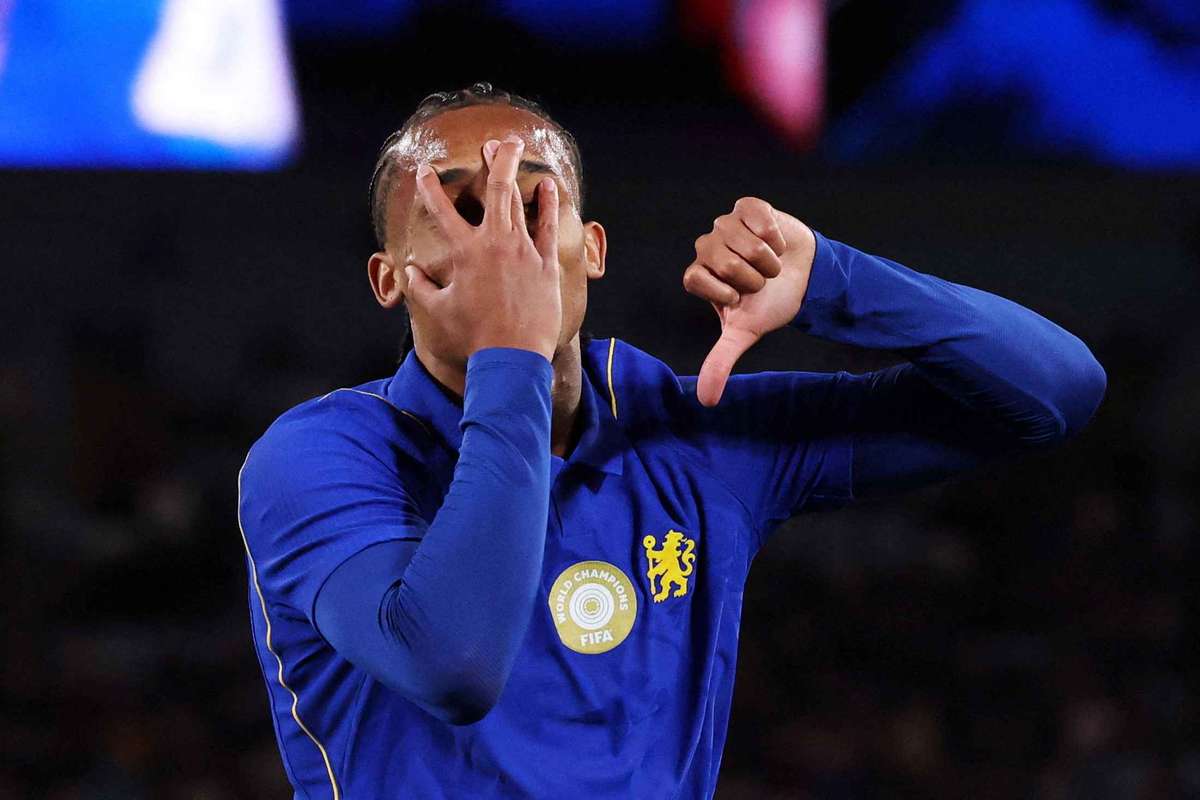
At the top of the list is Newcastle's Tino Livramento. Arsenal rate his technical qualities highly, but his injury history is the main concern. Newcastle recently lost 2-0 in the league, and the squad as a whole is in an end-of-season adjustment phase; if Livramento joins, it would mean Arsenal poaching from a direct Premier League rival, with negotiation difficulty and premium risk both considerable.
Sporting CP: Fresneda
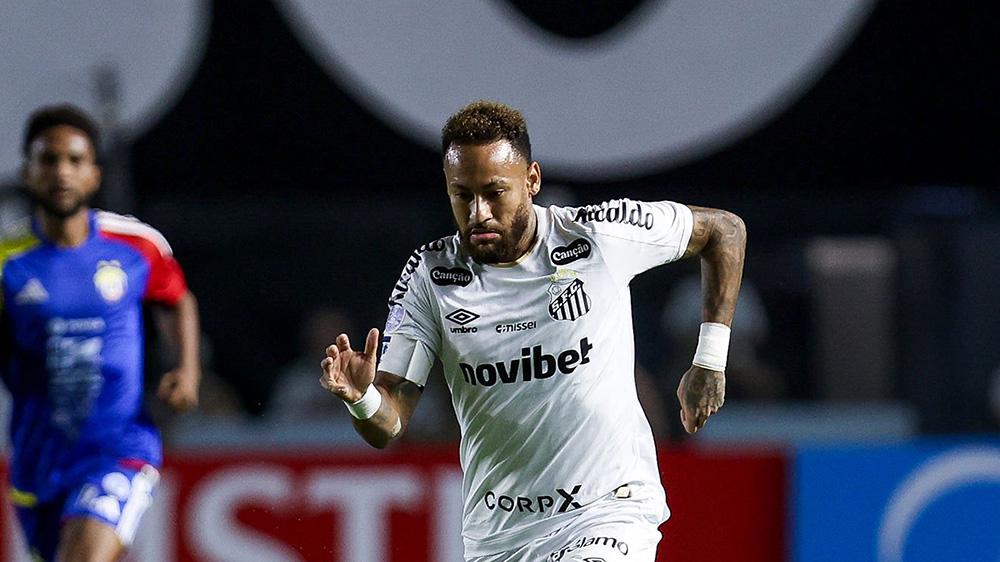
Ivan Fresneda of Primeira Liga side Sporting CP is also under consideration. The club recently drew 0-0, with a relatively compact defensive structure; Fresneda has developed within Sporting's system in a high-pressing environment, which aligns to some extent with the transition speed Arteta demands. Compared with Premier League targets, his transfer cost is expected to be more manageable, but adapting to the pace of a top-five league still needs time to prove.
Eintracht Frankfurt: Brown
Germany international Nathaniel Brown of Bundesliga side Eintracht Frankfurt is another key lead. The 22-year-old has made Nagelsmann's World Cup squad and, at club level, can cover the entire left corridor—left-back, left wing-back and even wide midfielder. The Athletic explicitly reported that Brown "is expected to leave Eintracht Frankfurt this summer," with Bayern Munich and Arsenal both monitoring.
Eintracht Frankfurt's home ground, the Frankfurt Arena, has a capacity of around 58,000; the club has been known in recent years for high-intensity running. Brown's positional versatility is appealing to Arsenal, who need depth for Champions League rotation. If Bayern bid in parallel, the deal could become a battle between Bundesliga and Premier League giants for an efficient full-back type.
Real Madrid: 19-year-old Valdepeñas
The youngest name on the list is Real Madrid’s 19-year-old defender Victor Valdepeñas. Both Eintracht Frankfurt and Arsenal are tracking this product of Spain’s youth system. Real Madrid’s recent league form has been strong—including a 4-2 win and a narrow 1-0 away victory—with possession hitting 65% and 58% in some games and shot counts ranging from 17 to 26, their attack remains as potent as ever.
Valdepeñas operates in a competitive environment at the Bernabéu, where minutes may not be guaranteed, but training around Real Madrid’s first team itself shows his potential is recognized. For Arsenal, young defenders like this are more of a medium-to-long-term investment than an immediate solution.
Summer window chess: variables beyond the data
The four threads map to four different recruitment logics: Livramento represents “Premier League-ready impact,” Fresneda is a “value-for-money prospect,” Brown combines “international pedigree with multi-positional efficiency,” and Valdepeñas is a “young Real Madrid asset.” What Berta must weigh is not just player quality, but also injury risk, rival bids, and rotation needs under the Champions League schedule.
Judging from the season’s trajectory, the Gunners have proved their league dominance, while defeat in the Champions League final has magnified the bench-depth issue. The right-back slot may appear to need only one backup, but it is in fact an upgrade to defensive width and transition quality across the board. What follows worth watching is whether Brown will be the first to leave and trigger a chain reaction, and whether Arsenal will pursue signings for holding midfield and the front line in parallel beyond the right-back position.
If two of the four enter substantive negotiations at the same time, Arsenal could well complete the first reinforcement of their back line early in the summer window—for a side aiming to challenge for the Champions League title again, that is not a luxury but a necessity.