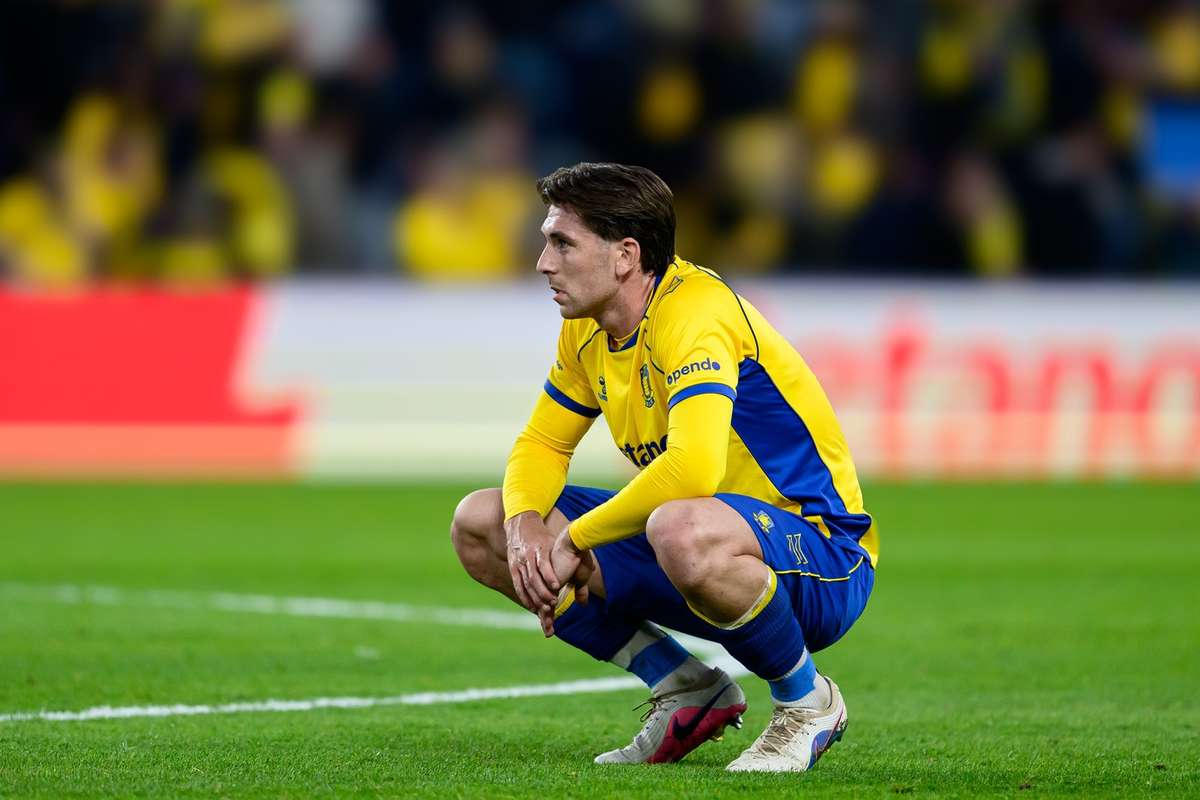


















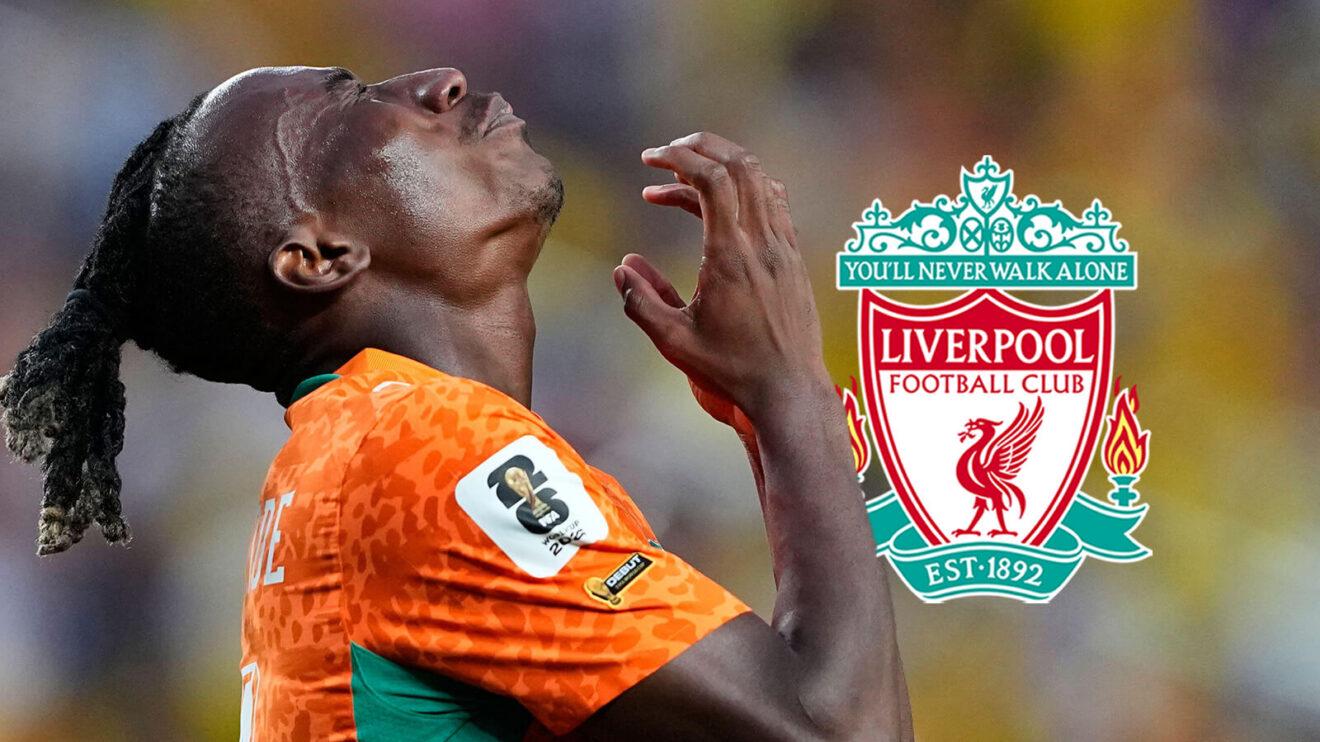
This summer, Liverpool's wing reinforcement is shifting from a "single primary target" approach to a dual-track structure of "main target plus backup pool." According to an update from Daily Mail reporter Lewis Steele on Thursday, RB Leipzig has rejected Liverpool's €100m bid this summer and is holding firm on an asking price of up to €130m; meanwhile, Liverpool has not yet lodged a second formal bid for Ivory Coast international Yan Diomande, who has drawn attention for his performances on the World Cup stage, and has turned its attention to Benfica winger Andreas Schjelderup. For a side that has already signed Viktor Munoz, this arrival from Osasuna will not eat into the room to bring in another winger—the "capacity slot" on the flanks remains open.
Price band: the bargaining range between €100m and €130m
From a deal-structure standpoint, the core variable in the Diomande case is not "whether to buy" but "which price tier the deal lands at." Liverpool's completed €100m bid and Leipzig's €130m asking price form a €30m bargaining window. Steele noted that the player and his camp hope both sides can "meet halfway" to complete the transfer; Diomande clearly favors joining Liverpool and is frustrated by the prolonged negotiations. Leipzig certainly has the right to hold firm on its price tag, but the player's desire to leave and the buyer's continued engagement are pushing the probability curve toward a "deal eventually getting done"—though the timeline may require more patience.
Also worth factoring into the model is the two clubs' personnel exchanges in recent years: Liverpool previously signed Ibrahima Konate and Dominik Szoboszlai from Leipzig, leaving a reusable trust channel at club level. This will not automatically eliminate the 3
...€00m price gap could nevertheless reduce communication friction and keep a “middle-ground” fee viable before the pre-season transfer window closes.
After Munoz’s arrival, why does the wing still need a “+1”
Munoz joined from Osasuna to provide immediate depth on the flanks, not to cap resources across the entire wide line. Liverpool’s hierarchy made Diomande their primary wide target this summer, showing their assessment still lacks a winger type capable of high-intensity duels who has proven his ceiling in a World Cup cycle. The completed Munoz deal and a potential Diomande or backup signing are functionally additive rather than mutually exclusive—this is also the logic behind Steele’s emphasis that it “will not affect the attempt to sign another winger.”
Backup chain: Schjelderup and the signal of “no second bid yet”
With Diomande talks yet to break the deadlock, Schjelderup has become the latest name to enter the picture. The headline-level message is equally clear: while Liverpool have not yet lodged a second bid for Diomande, they have already added Schjelderup to their monitoring list. That combined signal usually reflects two judgments—first, the primary target remains the priority; second, the hierarchy does not want to stake everything on a single negotiation track, lest the pre-season clock be dragged out indefinitely.
Steele also outlined names that entered the backup radar earlier: Bradley Bakola of Paris Saint-Germain, Said El Mala of Cologne, Matias Fernandez-Pardo of Lille, and Yankuba Minteh of Brighton. Bakola was already on Liverpool’s radar last season, but the club ultimately did not pursue him all-out, with the reason pointing to internal pathways—they did not want to block Rio Ngumoha’s route to minutes. That “develop internally vs buy ready-made quality” trade-off remains a key consideration toda
Constraints that cannot be overlooked in summer wide-position decision-making.
Analysis Conclusion: Primary deal still points to Diomande; backup is time insurance
Based on all available information, the most likely path remains: with the player insisting on leaving and Liverpool continuing to apply pressure, Leipzig ultimately completes the Diomande deal in the €100m–€130m range; players such as Sheldrup, Pépé, Bakola, Minteh and others form Plan B when negotiations drag on. For Liverpool, the World Cup-cycle premium on the wing market has been made explicit by the €130m asking price; for Leipzig, the time value of their asset is diminishing. If a second bid fails to materialize soon, increased activity on the backup list does not equate to abandoning the primary target, but rather reflects typical transfer-window risk management—before the hard facts are set in stone, pursuing multiple tracks in parallel is the rational strategy.