








The road to the UEFA Champions League league phase will stretch across roughly eight weeks this summer, and most of the 52 clubs involved must survive at least six qualifying ties just to reach the draw in late August. That volume alone shapes the story before a ball is kicked: fatigue, travel and thin squads will matter as much as reputation.
A qualifying calendar built for attrition
The format splits entrants between the Champions Path, reserved for domestic league winners, and the League Path, which draws clubs from higher-ranked associations with multiple berths. On the Champions Path alone, 42 teams are in the mix and 38 of them are scheduled to play in July, meaning three or four rounds stand between a title celebration and a place among Europe’s elite.
For broadcast and scheduling audiences, the density is the headline. Early-round windows stack fixtures across July and into August, when many leagues are still in preseason. That compresses attention across dozens of markets at once rather than concentrating it on a handful of household names.
New names and old ghosts reshape the field
Qualifying often repeats familiar faces, but last season produced surprise champions in several countries—and this summer’s entry list reflects that shift.
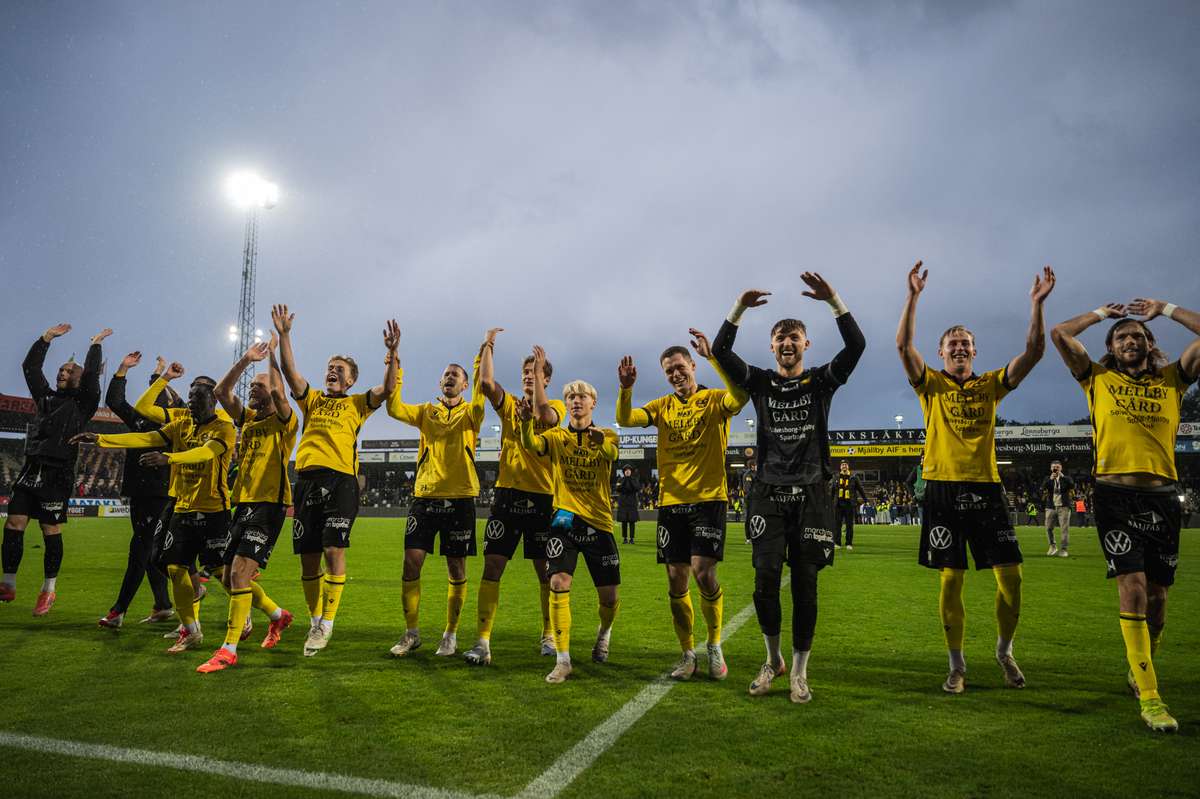
True debutants include Sabah Baku, first-time winners in Azerbaijan; Belarusian champions ML Vitebsk; Luxembourg’s Atert Bissen; Kauno Zalgiris from Lithuania; and Sweden’s Mjallby. NEC are also set for a maiden Champions League campaign after finishing third in the Eredivisie.
Other sides are newcomers to the competition in its current guise even if their histories run deeper. AGF Aarhus (Denmark), Gornik Zabrze (Poland) and CS Universitatea Craiova (Romania) previously featured in the European Cup era but not in the Champions League, waiting more than three decades for another continental summer.
Among returning names, Levski Sofia ended Ludogorets’ domestic reign in Bulgaria and will appear in the competition for the first time since 2009-10, when they advanced to the playoff round. Heart of Midlothian, who pushed close to the Scottish title, return after roughly two decades away. Switzerland’s FC Thun are back as well; their only prior appearance, in 2005-06, carried them into the group stage.
The mix of first-timers and long-absent clubs expands the pool of plausible upset narratives before the league phase even begins.
Why the Champions Path feels more open than usual
The Champions Path is typically where established champions from smaller associations consolidate advantage through experience and squad depth. This cycle looks different.
The sheer number of debutants lowers the baseline of shared qualifying knowledge—home-and-away rhythm, managing away goals pressure in early rounds, rotating through European midweeks while domestic seasons restart. That uncertainty cuts both ways: ambitious newcomers can punch through, but a single slip in July can end a historic campaign before most viewers tune in.
With 38 Champions Path sides active in July and only a handful of slots advancing toward the league phase, the math favors chaos in the first two rounds. Clubs that would normally be labeled dark horses arrive as league winners with domestic momentum, not as third-place finishers scraping in through a back door.
What to watch as the draw nears
Three threads should frame coverage through late August:
First, track which debutants survive July intact. Early exits would underline how punishing the expanded qualifying ladder remains; deep runs would signal real competitive spread beyond the traditional power clusters.
Second, monitor the returning veterans—Levski, Hearts and Thun among them—whose prior European experience may matter once ties tighten in August even if July opponents look manageable on paper.
Third, watch whether the Champions Path produces a surprise finalist into the final qualifying bridge round. An open path does not guarantee a fairy tale, but the entry list suggests fewer predetermined outcomes than in recent summers.
The UEFA Champions League league-phase draw in late August is the destination. Everything before it is a separate competition—one long enough, and crowded enough, to define the season for more than a dozen clubs before the main event starts.