
















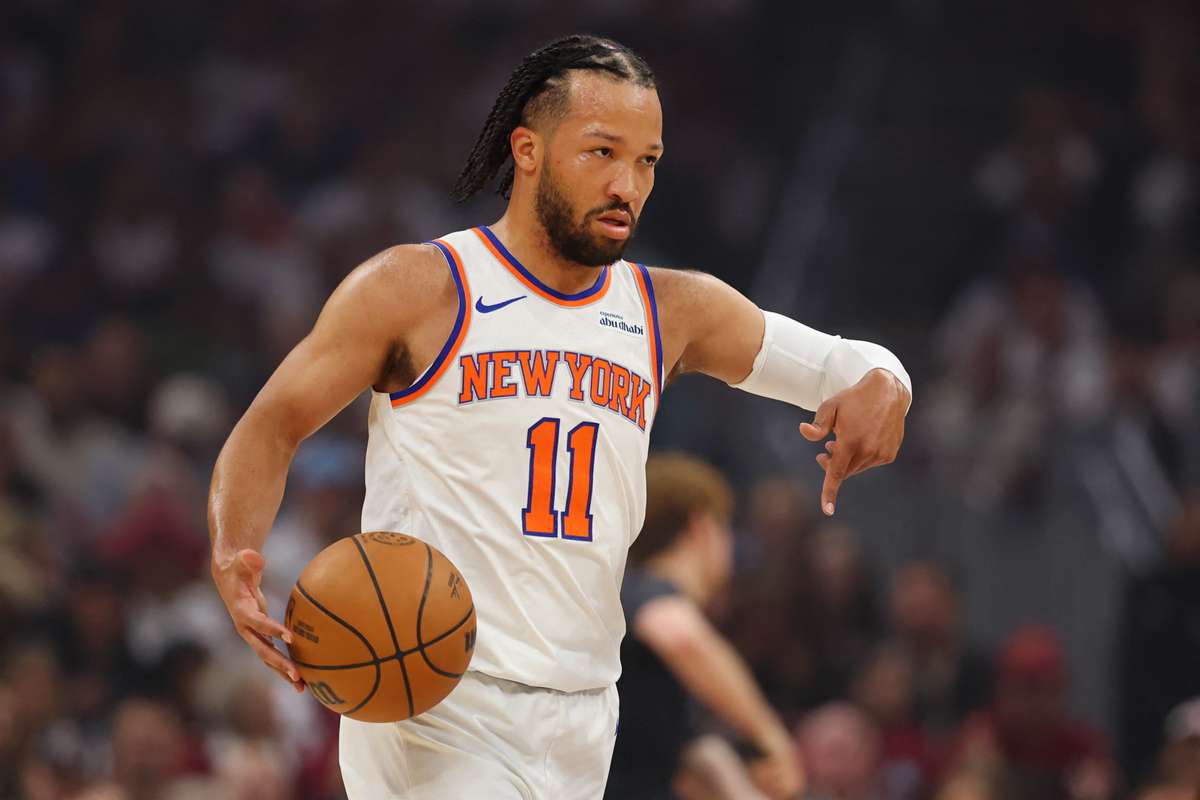
The New York Knicks pulled off another fourth-quarter comeback on the NBA Finals stage: Jalen Brunson scored 13 points in the final period and 30 for the game, and the team rallied from as many as 14 down to extend their winning streak to 12. That run—sweeping the Philadelphia 76ers in the Eastern Conference semifinals, then sweeping the Cleveland Cavaliers in the Finals—is turning “Big Apple resilience” from a slogan into a Finals storyline trending across social media.
From division sweeps to Finals comebacks
This postseason, the Knicks have made “double-digit second-half comebacks” part of their identity. Over the past two postseasons, they have erased deficits of at least 10 points in the second half of a playoff game seven times; this postseason alone, they have done it four times, including Game 1 of the series against the Cavaliers—still down 22 with less than eight minutes left, they still found a way to win. Game 1 against the Spurs followed the same script: the offense was not firing, but defensive toughness let them “steal” the win on the road.
In terms of reach, these games are built for short-form video and postgame highlight reels: a big deficit, a star taking over late, and the score flipping when the final horn sounds—three beats stacked together that fit the “New York never quits” city narrative. Brunson said afterward: “We know what to do. This team is united. We’ll keep having each other’s backs and grinding the margin down bit by bit.” He credited the group’s mindset rather than a one-man hero act—which cuts against a narrow “one guy carried them” read and makes it easier for media and fans to frame the Knicks as a collective case study.
“We represent this city”
Teammate Karl-Anthony Towns pushed the same logic to the civic level: “That energy is New York. You can feel this city—tough, competitive, and the work it takes to make it here.” He added, “When we put on Knicks jerseys and step on the floor, we’re reflecting all our fans and how they live, and what it takes to make it in this city.”
When players actively tie a team’s identity to the rhythm of New York life, the story stops being about box scores and starts living in cultural symbolism: the franchise’s last title in 1973, the long drought after the 1999 Finals loss to the San Antonio Spurs, and a return to the NBA Finals stage in 2026—milestones that get stitched together again and again on social media and in sports commentary. Brunson’s line, “We reflect our city,” has likewise turned from a postgame sound bite into a quotable civic sports manifesto.
Championship chase and opponent alert
The Knicks are chasing their first title since 1973—their first Finals trip since falling to the Spurs in 1999. Even after winning Game 1 on the road, Brunson stayed measured about the young Spurs led by Victor Wembanyama: “They’re more prepared to play than any team we’ve faced. We have full respect for them, and we have to bring our A-game in Game 2.” He also warned the team not to get complacent—even after grinding out a win on defense, there is still plenty of room to improve on offense.
Three storylines on the distribution trail
First, **comeback numbers** keep feeding the content pipeline: a 12-game win streak, two conference-round sweeps, plus multiple second-half rallies in the playoffs, forming a dual asset of “grit plus drama” that works for both pregame hype and postgame breakdowns. Second, **the city narrative** ties star interviews to civic identity, giving local outlets, national platforms, and international fan circles each an angle—New York fans look for belonging, neutral fans follow the storyline, rival fans watch whether they can keep it going. Third, **Finals matchups** shift the Eastern narrative toward San Antonio’s young core: Wembanyama’s defensive range and the Spurs’ overall discipline will become the new talking points in Game 2; if the Knicks keep leaning on late-game resilience and defensive intensity, buzz will likely rise and fall in sync with the scoreboard.
Expert takes and what’s next on the schedule
On the court, the Knicks’ Game 1 win wasn’t pretty, but it fit exactly what they’ve shown all postseason: when the offense ebbs and flows, they lean on defense and possession-by-possession execution to drag the game back into a winnable range, then let Brunson and the other stars close in the clutch. The catch is that Finals intensity leaves opponents less room to slip; if they still can’t get the offense going in Game 2, banking on comebacks and defensive toughness alone will only deepen the toll.
For fans and observers, the next checkpoint is Game 2 of the Finals—whether the Spurs will adjust to the Knicks’ slow starts, whether Wembanyama can apply sustained two-way pressure on New York, and whether Brunson can keep his fourth-quarter scoring burst going. With a road-opening win, the Knicks have pushed talk of a “first championship since 1973” to the forefront; whether they can turn the city’s narrative into a trophy depends on doing what Brunson said—refusing to be satisfied after a win and patching each weakness, one by one.
The through-line is clear: comeback wins generate buzz, city soundbites amplify the resonance, and Finals matchups decide whether the storyline can move from “inspirational” to “champion.” What the Knicks must do now is keep that spirit on the floor while the entire internet is debating “New York spirit.”